

Marine
Pollack Fishery Saved from Closure – Disaster Avoided, But New Bag Limit Ahead
For the first time, the recreational pollack fishery will be managed through a bag limit, marking a major shift in how anglers access this much-loved species, the UK Government has announced today through the publication of the Written Record.
Following months of uncertainty, the UK Government has confirmed that the worst-case scenario – a complete ban on pollack fishing – has been avoided for the recreational sector. This outcome is thanks to sustained advocacy led by the Angling Trust, supported by the Professional Boatman’s Association and the wider recreational angling community, built on three years of work since scientific concern first emerged in 2022.
Throughout this period, the sector has been on the front foot, strengthened by scientific outputs from the Pollack FISP programme, which continues today under a new Fisheries and Seafood Scheme (FaSS) project. As a direct result, we have avoided a complete ban and maintained access to this important fishery.
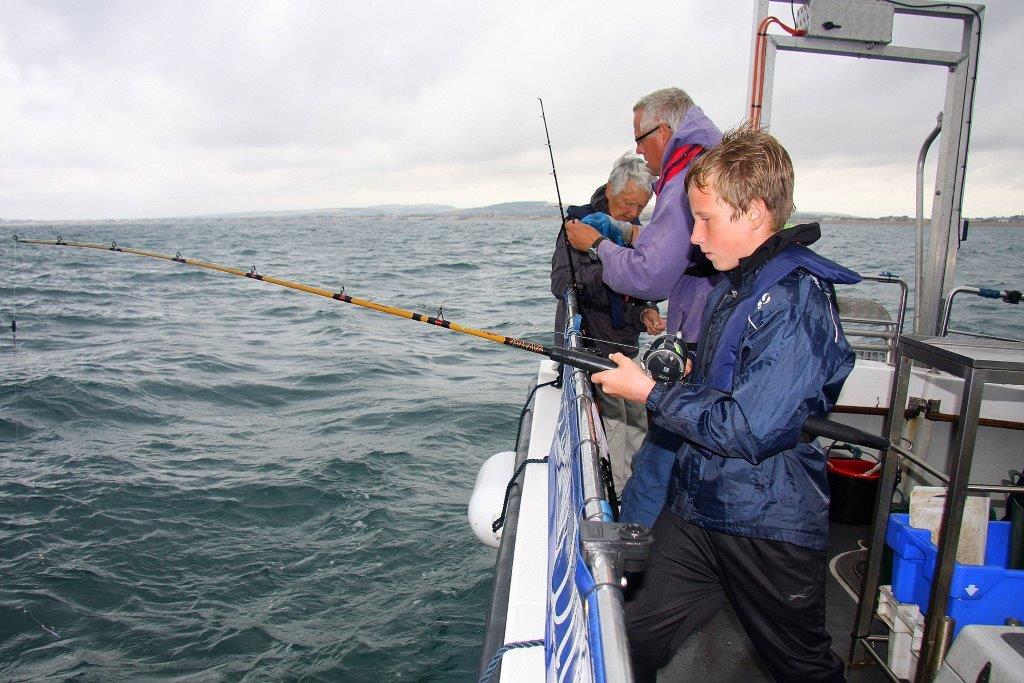
A complete closure would have been devastating for the recreational charter sector, many of whom rely on pollack to maintain year-round business and support coastal tourism and employment.
UK Avoids Complete Closure
The UK Government has also successfully resisted the European Union’s proposal for:
- a two-fish bag limit, and
- a recreational-only closed season
Throughout the negotiations, the Angling Trust made clear that:
- A two-fish limit would place many charter operators at serious risk at a time of rising costs, worsening weather patterns, and increasing regulatory burdens.
- Any closed season must apply equally to both commercial and recreational fisheries to maintain fairness and credibility.
Avoiding disproportionate restrictions is a direct result of collective action – including proactive engagement by anglers and skippers and voluntary best-practice efforts under the Pollack Pact. The Angling Trust and Professional Boatman’s Association express our deepest thanks to all within our community who have played their part in the recovery of pollack to date by adopting these voluntary measures.
Three-Fish Limit Brings New Challenges
While avoiding a ban is a major relief, the newly agreed three-fish recreational bag limit will still pose significant challenges, particularly for charter businesses and local food security in the southwest and southeast of England. These operations are the lifeblood of many coastal communities, supporting tourism, local economies, and year-round access to the water. Many now face genuine financial risk as the new management measures take effect.
Calls for Financial Support for Recreational Fishery
Once again, the Angling Trust urges the UK Government to establish a diversification and resilience fund to support recreational businesses impacted by these decisions. The Angling Trust will be writing to the Minister to call for compensation to support the charter fleet in the same way the commercial fishery received compensation following the fishery’s initial closure back in 2023.
Working collaboratively with the recreational sector is integral to supporting sustainable fisheries and collecting data. We also call on the UK Government to ensure funding is available for long-term collaborative data collection and monitoring to inform scientific assessments and fisheries management decision-making, alongside funding to implement best-practice education and training for descending devices to improve post-release survival for returned pollack.
What Happens Next?
A three-fish recreational pollack bag limit has been agreed between the UK and EU, but it will not take effect immediately. Legislative changes must be completed before the limit becomes mandatory. The Written Record outlines “in principle no later than 1 June 2026”.
In the meantime:
- Voluntary Pollack Pact measures remain in place, and we encourage all anglers and skippers to continue following them – including the use of descending devices to return unwanted or undersized fish.
- Updates will be provided on our website and via our newsletter – sign up to stay informed.
Have Your Say in 2026
In 2026, anglers will have opportunities to help shape long-term pollack management through the Celtic Sea & Western Channel Demersal Fisheries Management Plan. We strongly encourage recreational anglers, charter skippers, and clubs to get involved – your first-hand experience on the water is critical to ensuring workable, effective management.
Looking Ahead
Pollack is a species under real stock pressure. The Angling Trust remains committed to securing a long-term, evidence-based path to recovery that is fair to all fishing sectors while supporting the recreational businesses and coastal communities that rely on this iconic species. Engagement and data are central to that. If you have views or questions please get in touch with us [email protected]
We want to see pollack thriving – and supporting our angling communities – long into the future.
You might also like
New British Carp Record
IFFA Spring Loch Style Fly Fishing International at Llyn…
Angling Trust Calls for Recreational Sea Fishing to Be…
Learn, Coach, Support, Welfare: Explore Opportunities with the Angling…
Sea angling greats Sam Collier and Saul Page named…
New British Barbel record ratified
Mersey Basin Species Hunt Returns for 2026
Angling Trust sets out vision for coastal growth in…
Angling Trust and Environment Agency evolve volunteer support for…
Tench Masterclass 2026: scenes from a stunning 48 hours…
Tackling mink on club waters: a real-life success story…