

Marine

New ICES advice highlights mixed picture for key recreational sea fish species

The latest scientific advice from the International Council for the Exploration of the Sea (ICES) paints a mixed picture for UK fish stocks, with encouraging signs for some species but continued concern for others. For recreational anglers, it is another reminder that robust, science-led fisheries management is essential if we are to safeguard the fish stocks and coastal economies that depend upon them.

Of particular concern are the continued zero Total Allowable Catch (TAC) recommendations for several depleted stocks, including Celtic Sea cod, whiting and haddock. These recommendations reflect populations that remain at critically low levels and highlight the need for fisheries managers to follow the best available science if further stock declines are to be avoided.

While these species were once an abundant target for recreational anglers, they are a distant memory for many now. Healthy marine ecosystems depend on resilient fish populations throughout the food web. Failing to rebuild depleted stocks risks long-term consequences for biodiversity, commercial fisheries and recreational angling alike.

The advice also includes a 2.8% reduction in catches for pollack, reflecting ongoing concerns about the status of this iconic recreational species. The Angling Trust notes that the statutory instrument required to implement the recreational pollack measures, including the agreed bag limit from the previous UK-EU fisheries negotiations, is not yet in place. We are continuing to engage with Defra on this issue and recognise the ongoing frustration this presents, particularly to charter businesses, and we will provide a separate update for anglers as soon as more information becomes available.

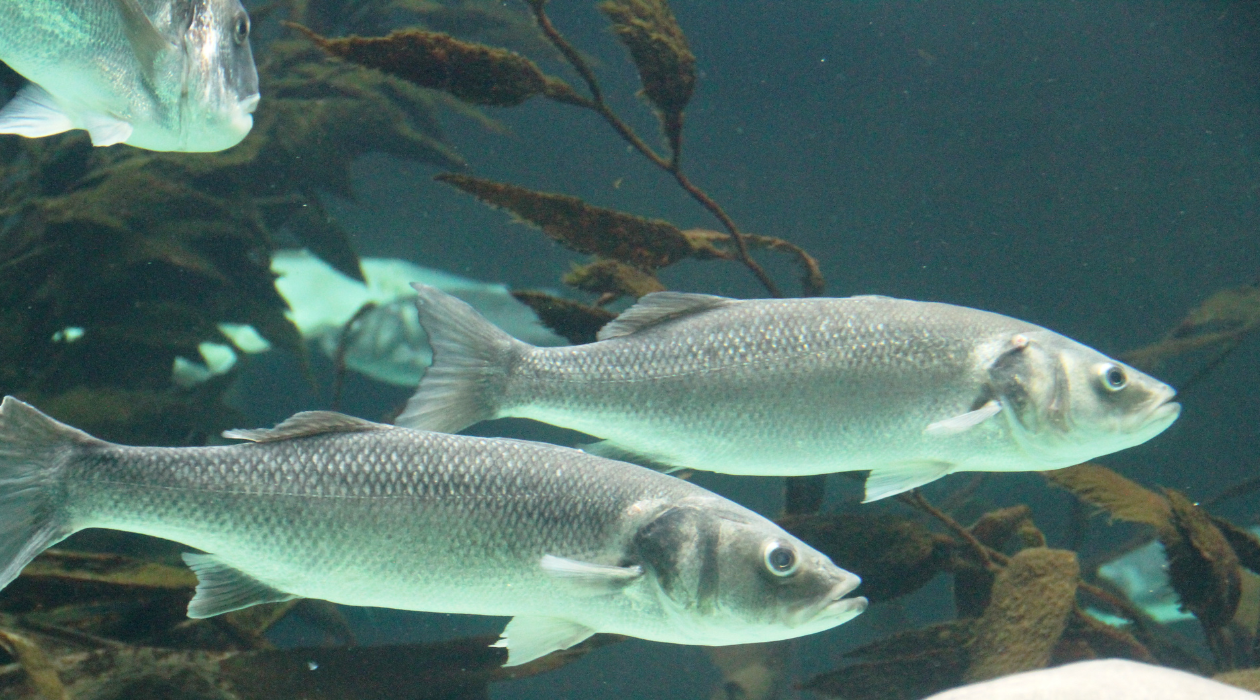
For bass, the picture is more encouraging and reflects what many anglers and charter skippers are seeing on the water. Reports from around the coast suggest increasing numbers of bass, particularly smaller fish, demonstrating that previous management measures are helping the stock to recover.

However, caution remains essential. Bass are a slow-growing species and many of the large, older fish that are critical to spawning success have yet to return in significant numbers. Continued careful management is needed to ensure that today’s improving recruitment develops into a healthy age structure capable of sustaining the stock for the future.

Alongside fishing pressure, climate change is rapidly reshaping our seas. Warming waters are altering the distribution, abundance and behaviour of many fish species, with anglers often among the first to notice these changes. As marine ecosystems continue to shift, fisheries science and management must keep pace to ensure decisions reflect the reality of what is happening in our waters.

Hannah Rudd, Head of Marine at the Angling Trust, said:

“The latest ICES advice reinforces why fisheries management must continue to be guided by the best available science combined with the perceptions of fishers on the ground. Where scientists are advising zero catches for severely depleted stocks, fisheries managers need to take those warnings seriously if we are to prevent further collapses and rebuild these populations for the future.

“At the same time, anglers and charter skippers are seeing positive signs for species like bass, with increasing numbers of smaller fish around our coastline. That’s encouraging, but we haven’t yet seen a full return of the larger, older fish that are so important to maintaining a healthy breeding population. Recovery takes time, particularly for slow-growing species, and we need management that recognises both the progress being made and the work still to do.

“Climate change is adding another layer of complexity, with warming seas driving changes in where fish are found and how our fisheries operate. Recreational angling supports thousands of jobs and businesses around the UK coast, so it is vital that fisheries science, monitoring and management evolve quickly enough to respond to these changes.”

The Angling Trust is also encouraging all sea anglers to contribute to the evidence base by recording their catches and observations through the Sea Angling Diary. Anglers spend more time on the water than almost anyone else, and their observations provide valuable information on changing fish distributions, recruitment, seasonal movements and catch trends. As our seas continue to change, this information will become increasingly important in helping scientists and managers understand how fish populations are responding.

Healthy fish stocks depend on good science, effective management and high-quality data. By following scientific advice where stocks are under pressure, recognising positive signs of recovery where they exist, and making full use of anglers’ observations, we can help ensure our fisheries remain productive and sustainable for future generations.

You might also like