




Marine
12 January 2026
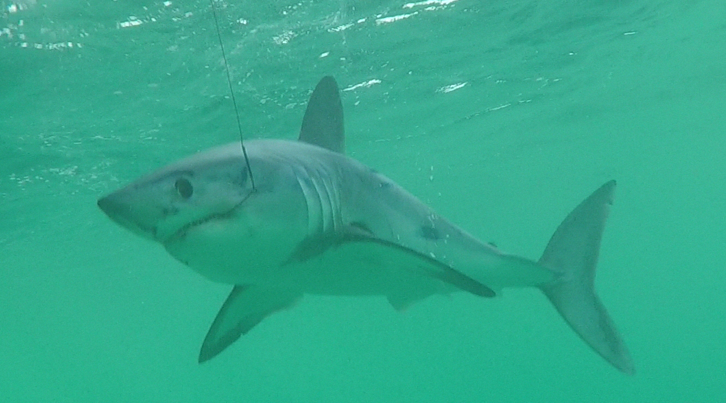
Porbeagle shark not added to Wildlife & Countryside Act
You might also like

10 July 2026
Marine heatwave: what it means for sea anglers
A marine heatwave developing around parts of the UK could reach “extreme” levels this summer, with s…
Read more
10 July 2026
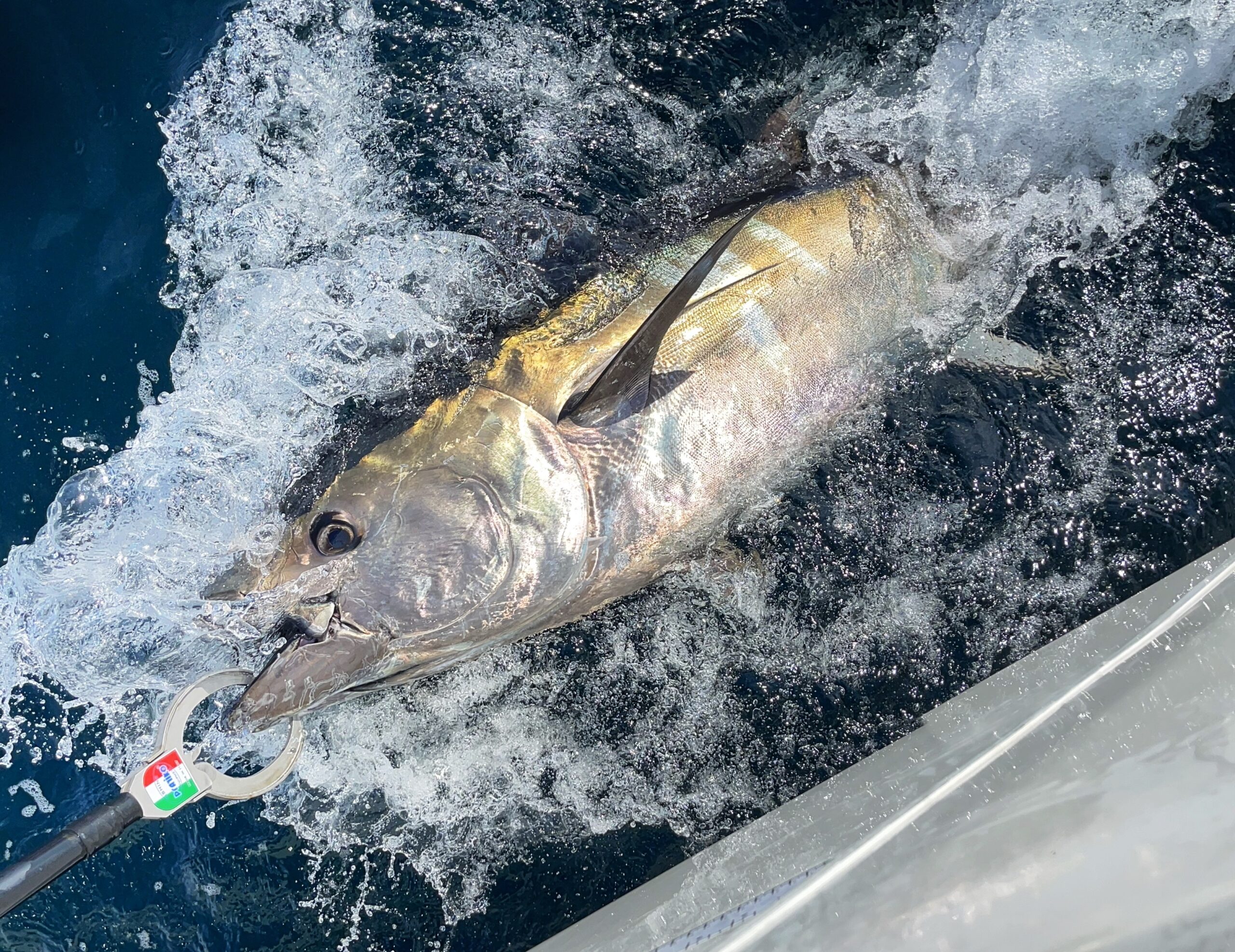
Bluefin Tuna Catch-and-Release Recreational Fishery 2026
The 2026 bluefin tuna catch-and-release season opens on Monday 13th July 2026 around the coast of En…
Read more
10 July 2026
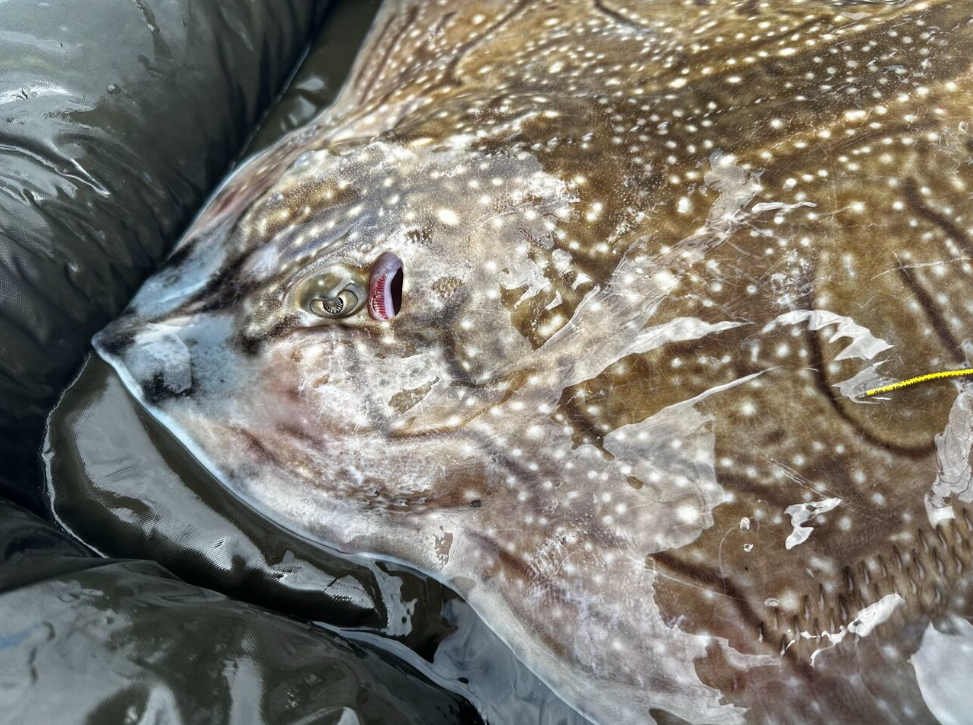
Rays of Tope: New project to unlock the secrets…
The Angling Trust is proud to be a partner in an exciting new three-year research project that will…
Read more
10 July 2026
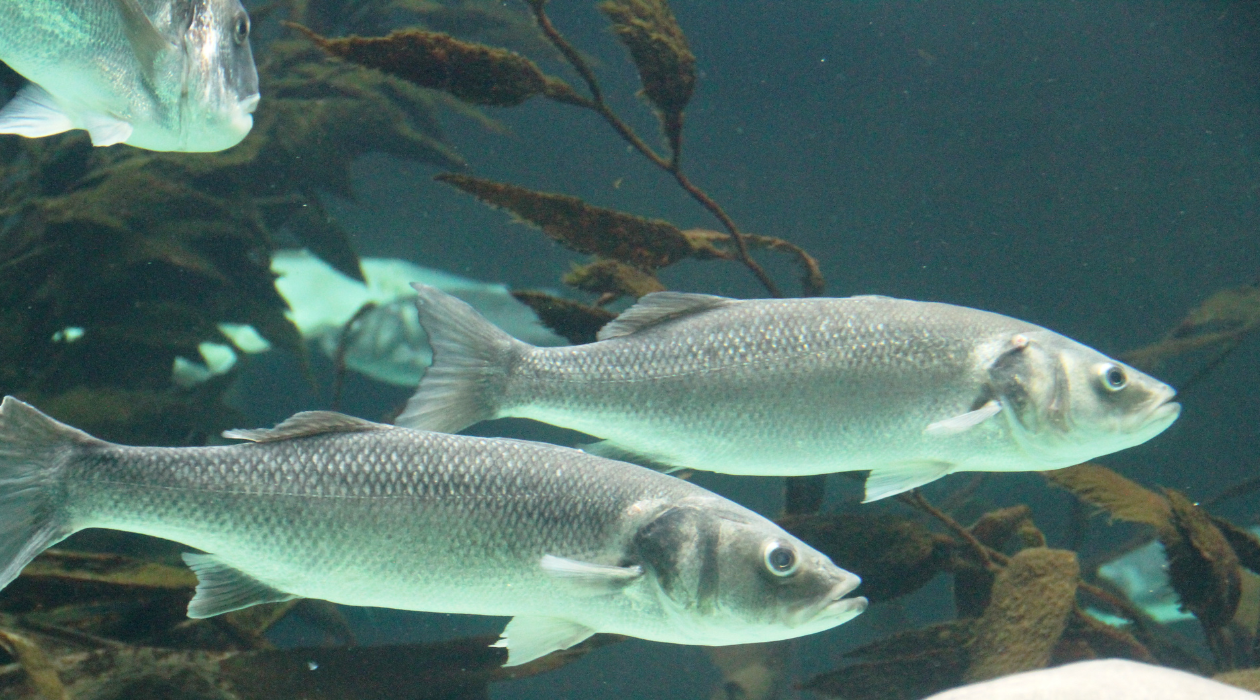
New ICES advice highlights mixed picture for key recreational…
The latest scientific advice from the International Council for the Exploration of the Sea (ICES) pa…
Read more

10 July 2026
Angling Trust welcomes UK ratification of landmark High Seas…
The Angling Trust has welcomed the UK Government’s ratification of the landmark UN High Seas T…
Read more

08 July 2026
UK Government Pours Cold Water on Urgent Reforms to…
On Monday, the UK Government published its response to the Environmental Audit Committee’s (EAC) PFA…
Read more
07 July 2026
Anglers’ Data Stands Up to Scientific Scrutiny
One of the biggest questions about the Sea Angling Diary Project has always been a fair one: can dat…
Read more

23 June 2026
Team England Fly Fishing on the Hunt for Medals…
30th Fips-Mouche European Fly Fishing Championships MOSTAR BOSNIA & HERZEGOVINA 2026 Team Manag…
Read more

18 June 2026
Benjamin’s Comber confirmed as new British record
The British Record (rod-caught) Fish Committee (BRFC) would like to announce the ratification of a n…
Read more

11 June 2026
New British Carp Record
The British Record (rod-caught) Fish Committee (BRFC) would like to announce the ratification of a n…
Read more

03 June 2026
IFFA Spring Loch Style Fly Fishing International at Llyn…
The international is fished from free drifting boats with anglers from England, Ireland, Scotland an…
Read more
28 May 2026
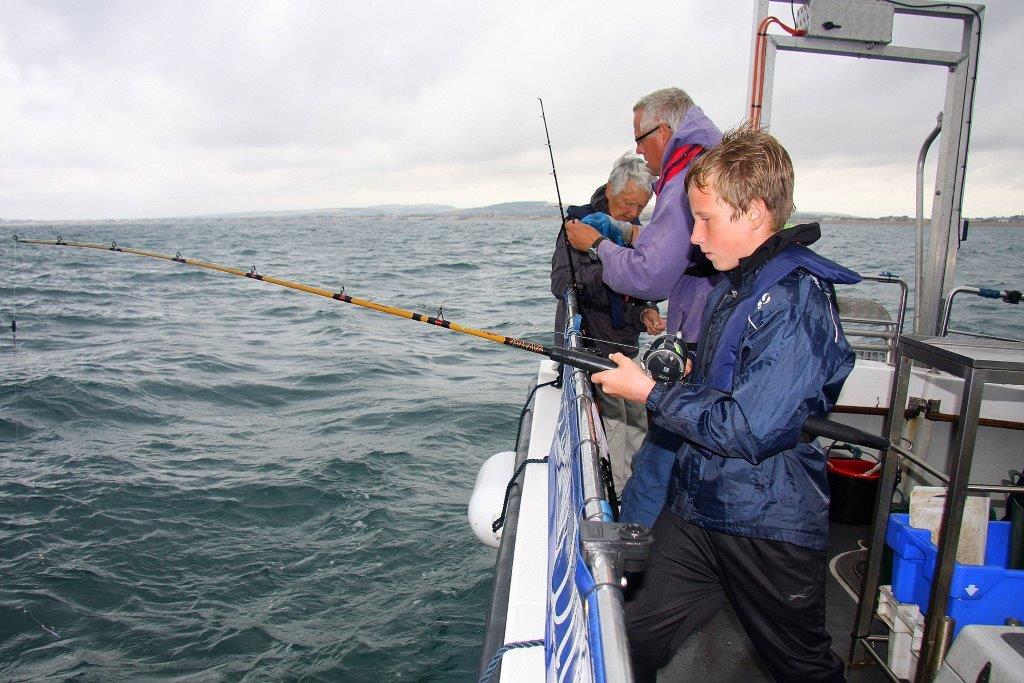
Angling Trust Calls for Recreational Sea Fishing to Be…
The Angling Trust has submitted detailed evidence to the All-Party Parliamentary Group (APPG) on Fis…
Read more