




Lines On The Water
Where trees meet water: creating a haven for wildlife and anglers
Alex Van Wienen, Angling Trust Fisheries Support Officer for the South West, describes how Plymouth and District Coarse Angling Club are turning a plot of land on Dartmoor into a habitat for nature.
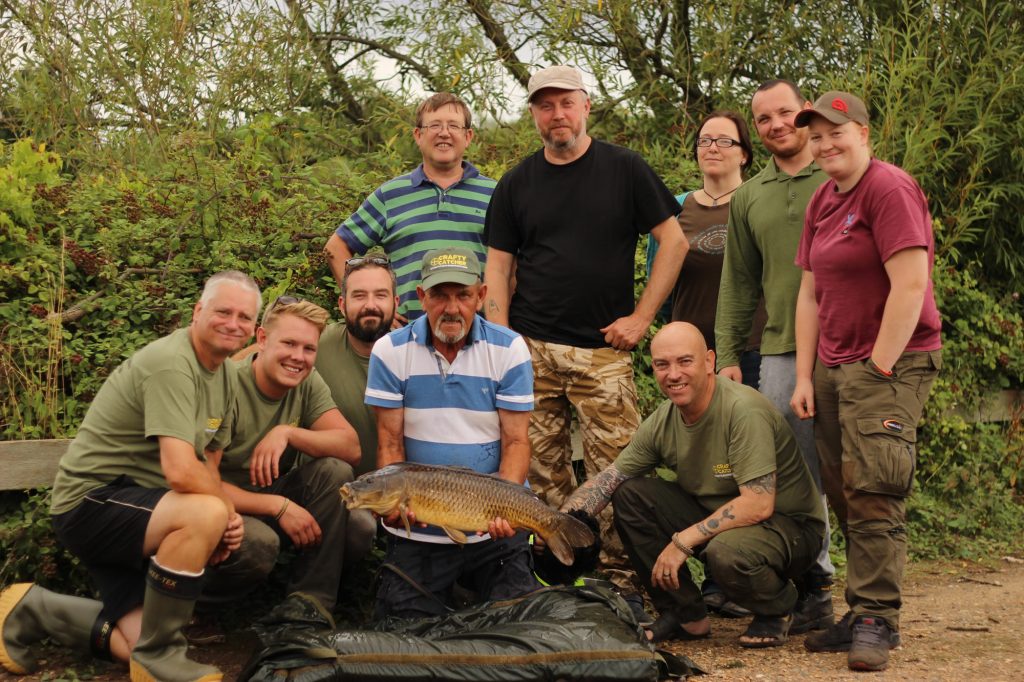
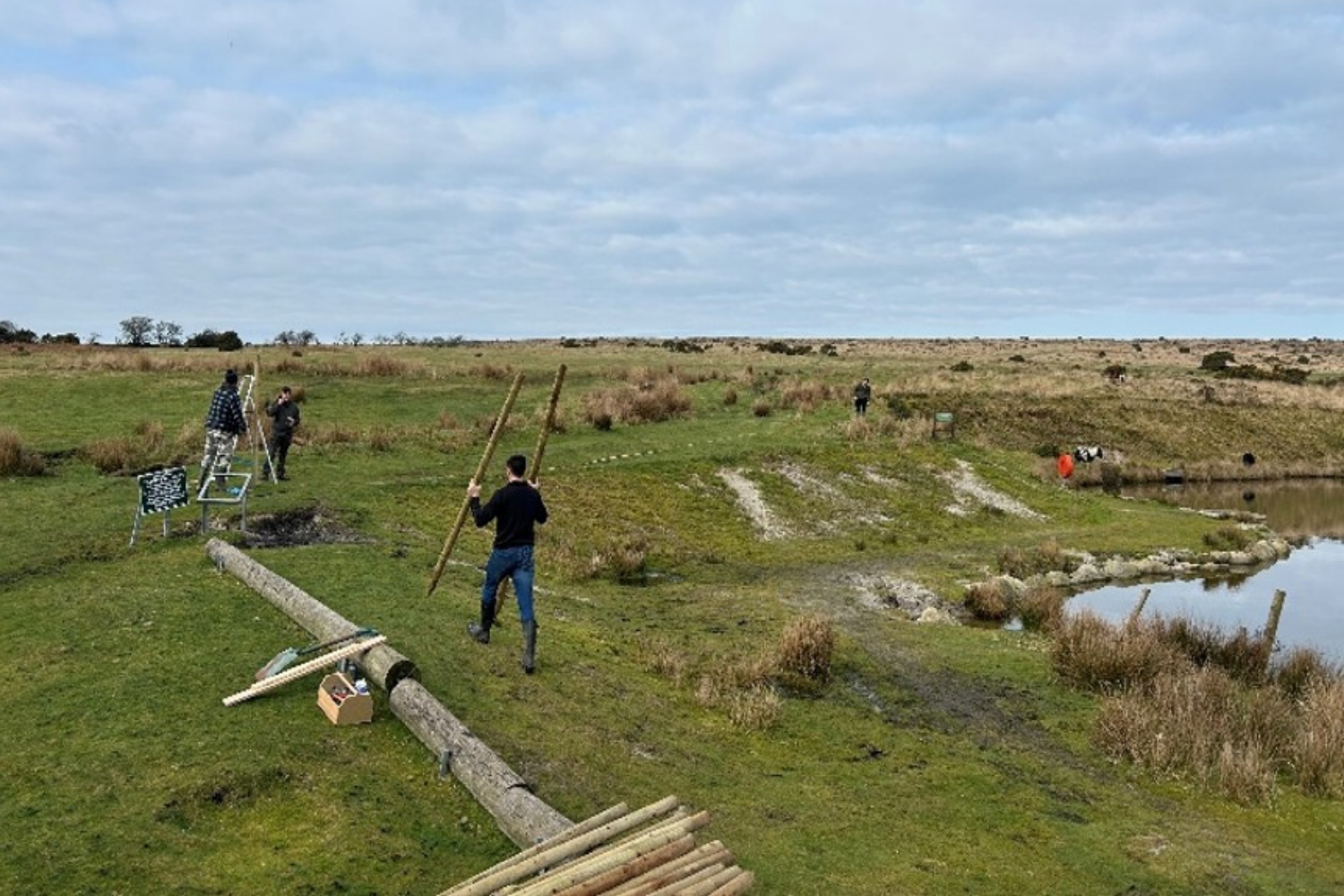
Plymouth and District Coarse Angling Club (PADCAC) has owned its waterside site for over 20 years, and in that time it’s become a firm favourite with members thanks to its stunning views, rich wildlife and great fishing. But for the past few years, the Angling Trust member club has been looking at how they can make it even better, with plans to boost habitats for terrestrial wildlife and create more shelter from the exposed coastal winds.
As committee member and project lead Chris Wenlock puts it: “What an awesome thing it is to be involved in creating habitats that will provide a rich and varied space for a wide range of wildlife species, from the very smallest to the highest flying. It will take a few years to mature, but it will be beautiful once it has.”
This isn’t their first success story either. A wooded area planted on the site some years ago has since grown into a thriving little wildlife haven — something the club is keen to replicate. And now, with a new tree planting project underway at the lower lake, that vision is starting to take root once again.
Background
To make sure the project had real impact, PADCAC linked it closely with the Moor Trees initiative, supported by Dartmoor National Park Authority. The idea was simple: plant a diverse mix of native trees and give them the best possible start by protecting them from grazing in those crucial early years.
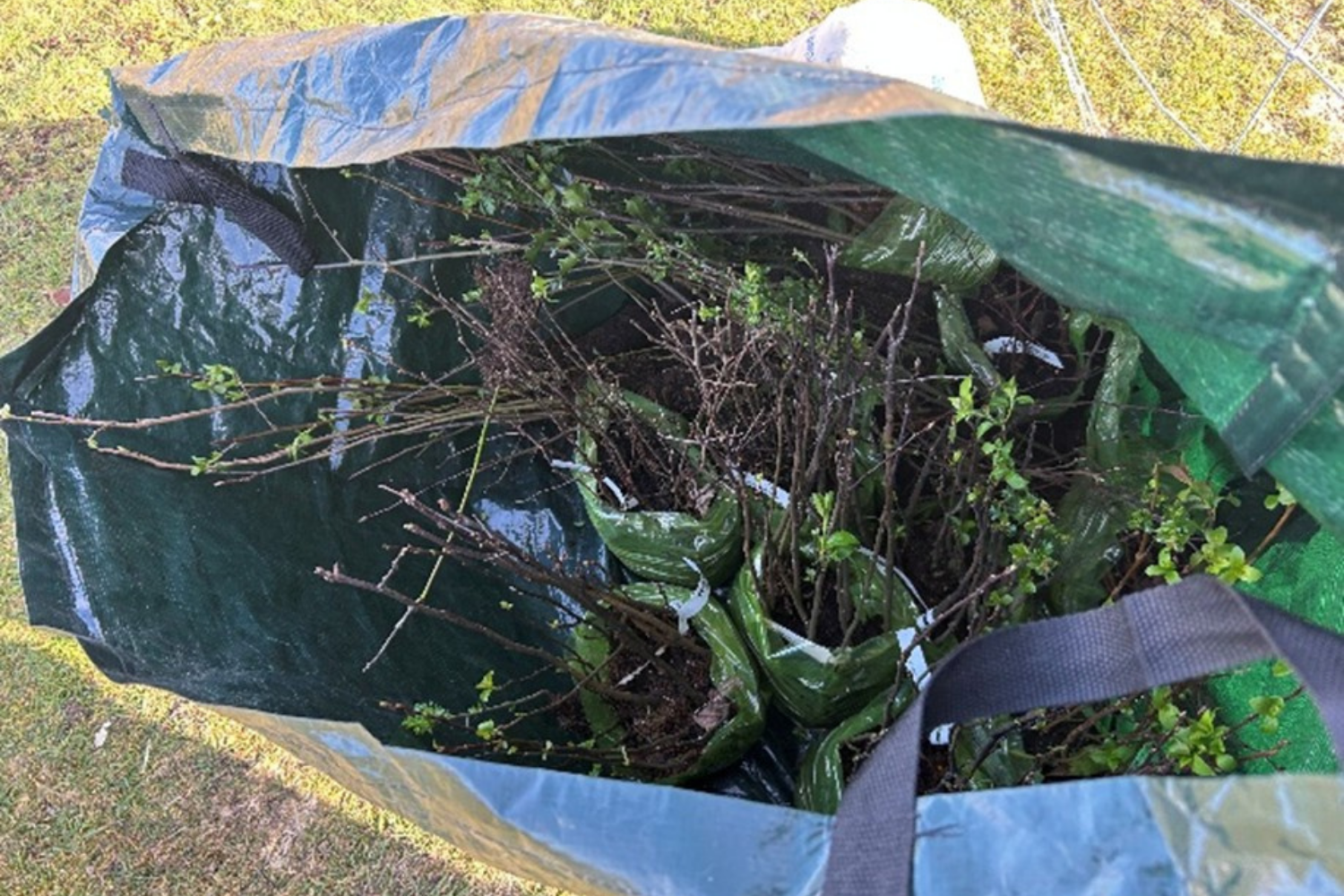
The club successfully secured a woodland pack from the Woodland Trust, bringing in 420 saplings made up of holly, crab apple, downy birch, hawthorn and goat willow. It’s a brilliant mix that will encourage biodiversity and long-term resilience.
Moor Trees’ wider vision ties in closely with what the club is trying to achieve. By increasing woodland cover, supporting wildlife and helping to build climate resilience, the focus is on creating something that will last for generations.
Getting Stuck In
Days 1 & 2 – Fencing (5 volunteers)
Like most good volunteer efforts, it all started on a grey Saturday morning. After a quick briefing, along with a reminder about health and safety, it was straight into the hard graft.
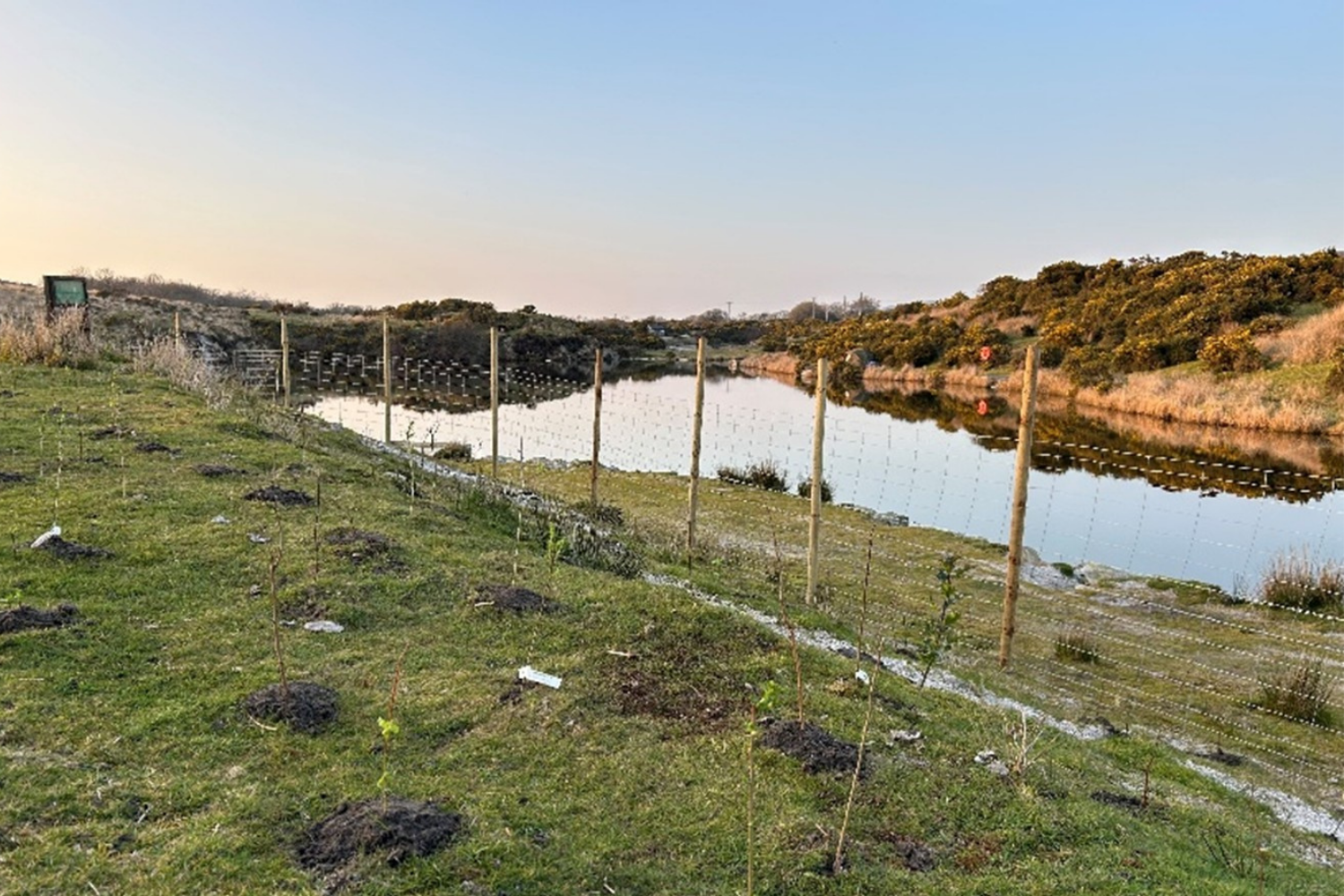
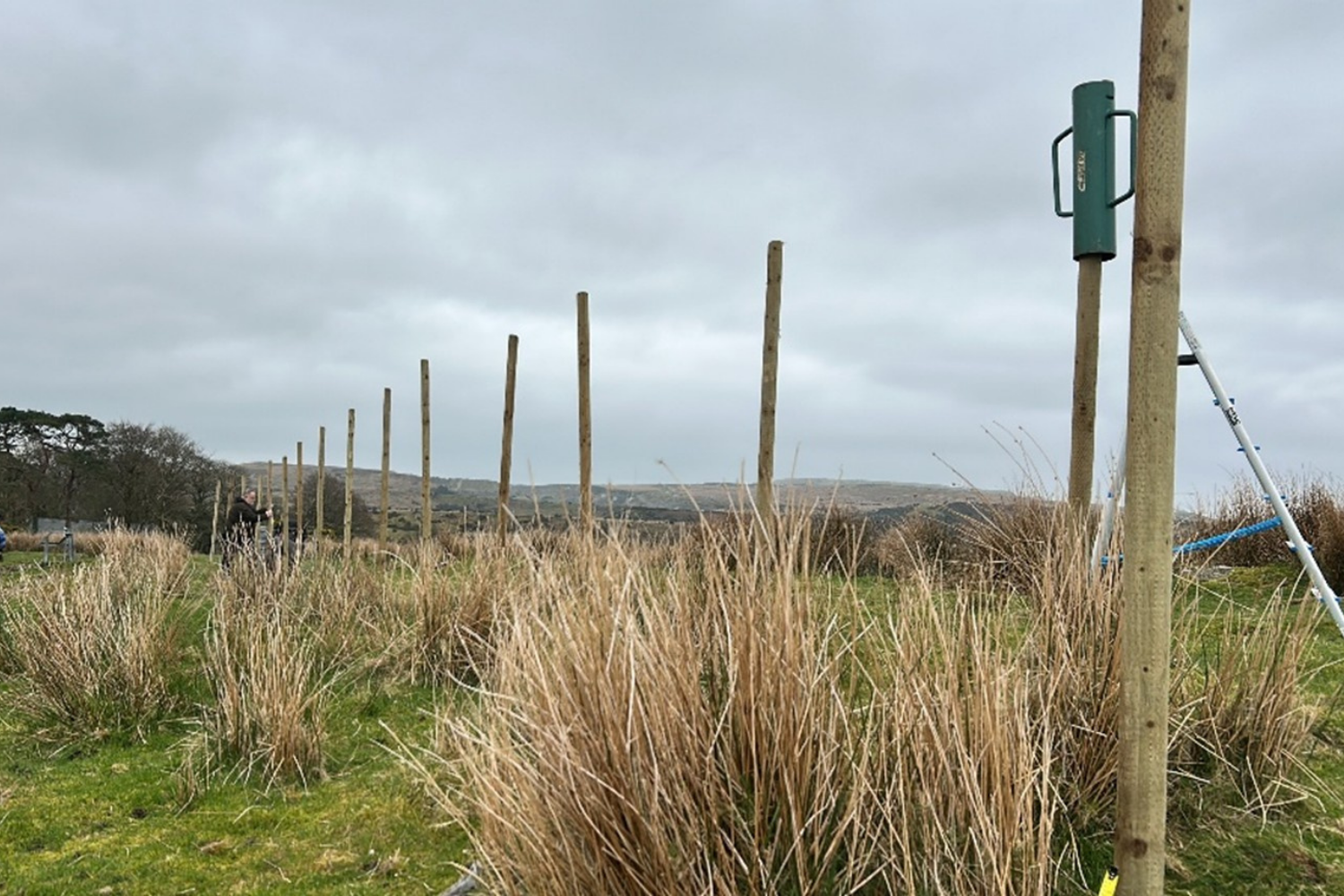
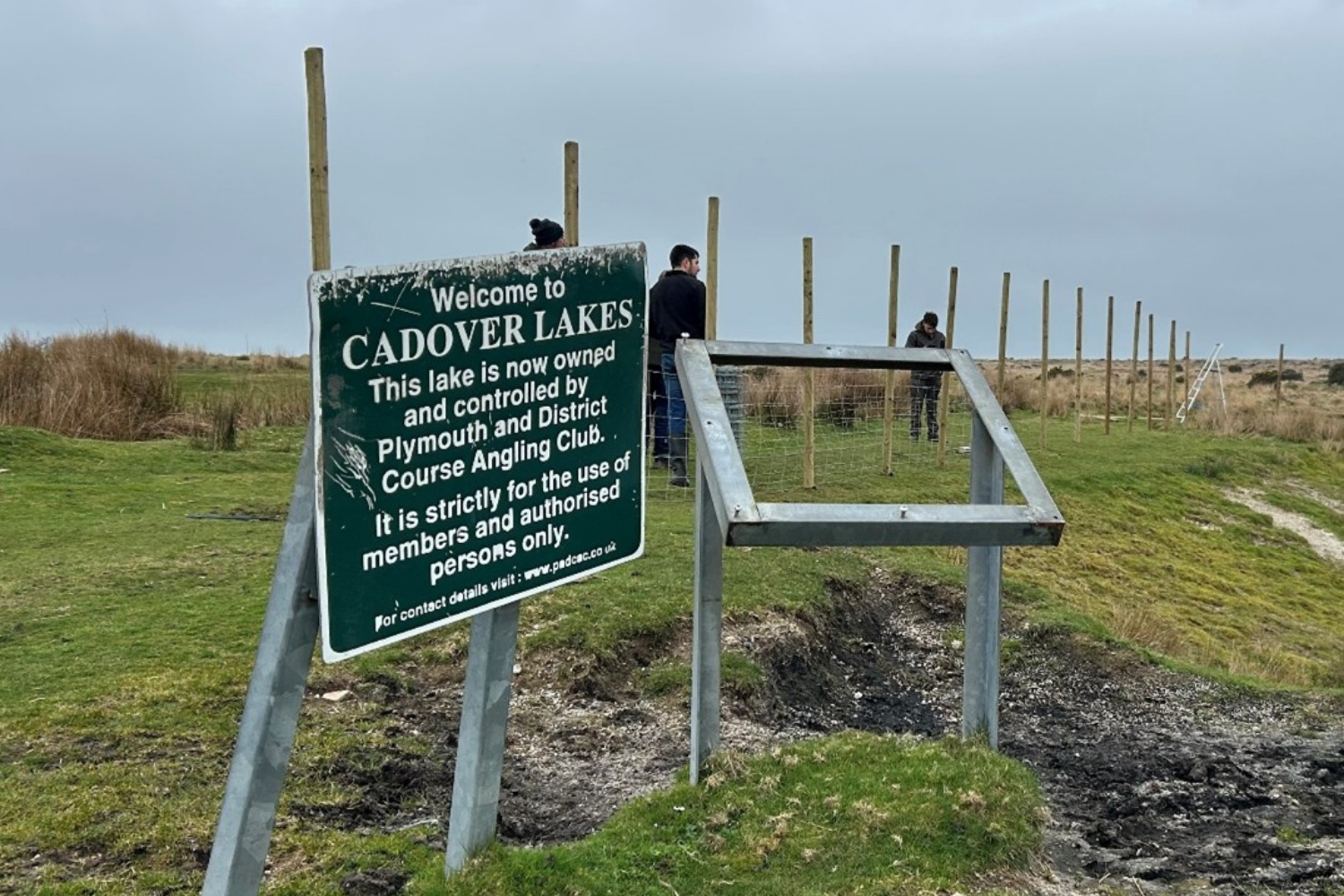
The first job was fencing. With tough, gravelly ground to contend with, a pinch bar was used to break the surface before driving in 33 fence posts to around 18 inches deep. It wasn’t easy work, but it was essential.
Once the posts were in place, the team attached wire mesh fencing to keep out grazing livestock and deer. Without it, the young saplings would struggle to survive. With it, the area can develop naturally, allowing a wide range of plant species to establish and thrive.
Day 3 – Planting
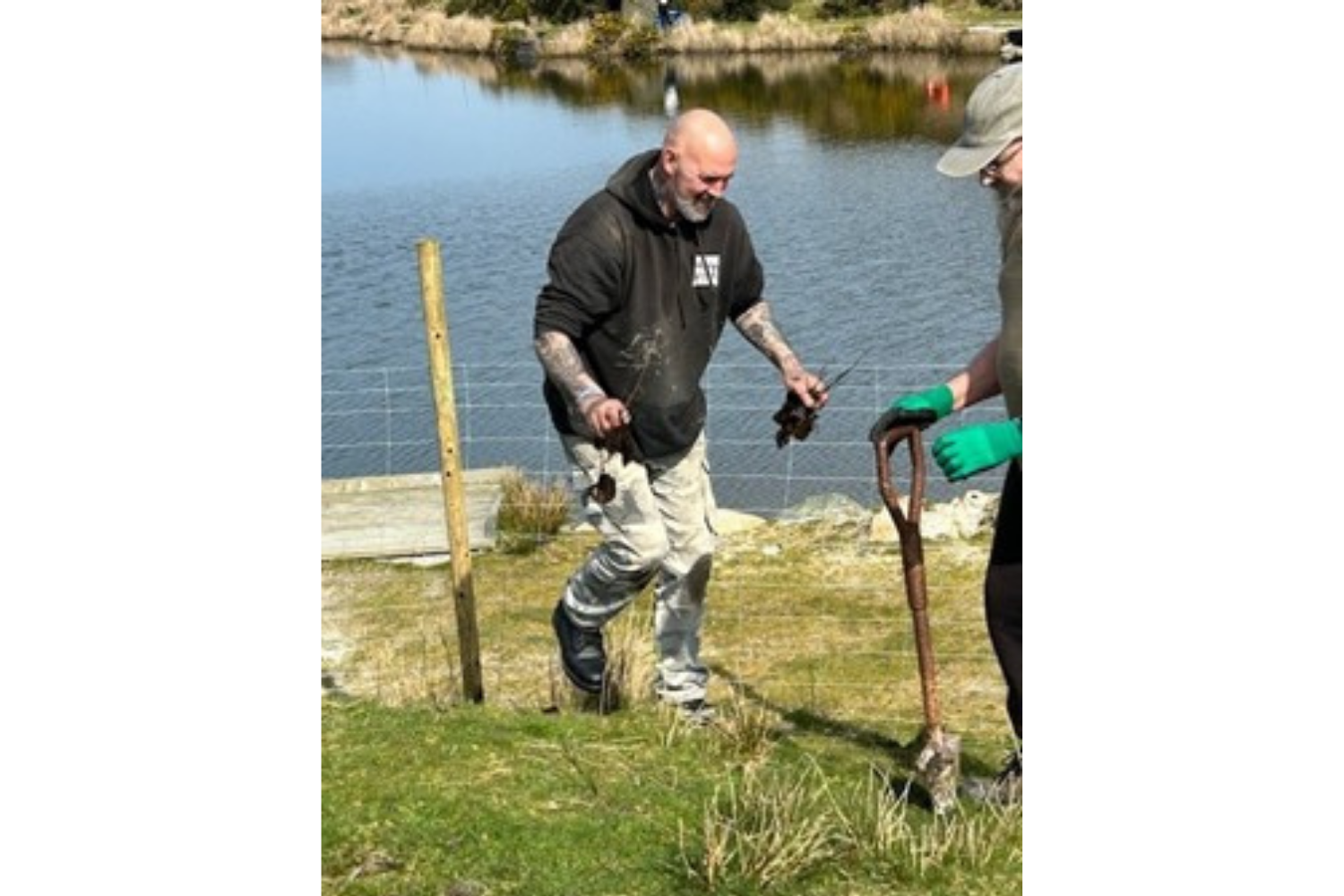
With the fencing complete, it was time for the main event. Chris arrived with all 420 saplings, which had been carefully stored in his garden over the past couple of months, ready to be planted in their new home.
The team also had the benefit of a club member with years of experience as a forestry planter, whose advice proved invaluable, particularly given the low fertility of the soil.
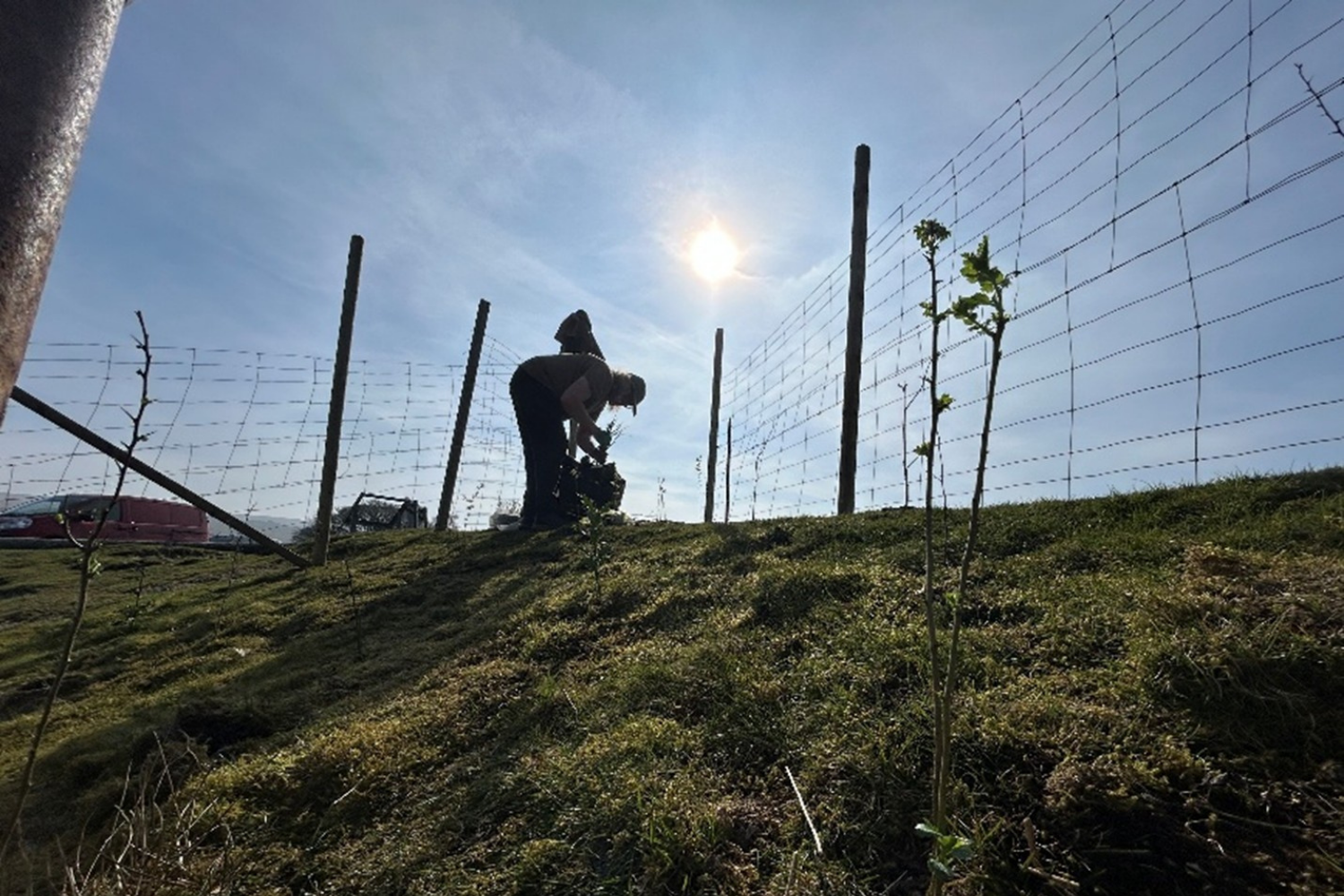
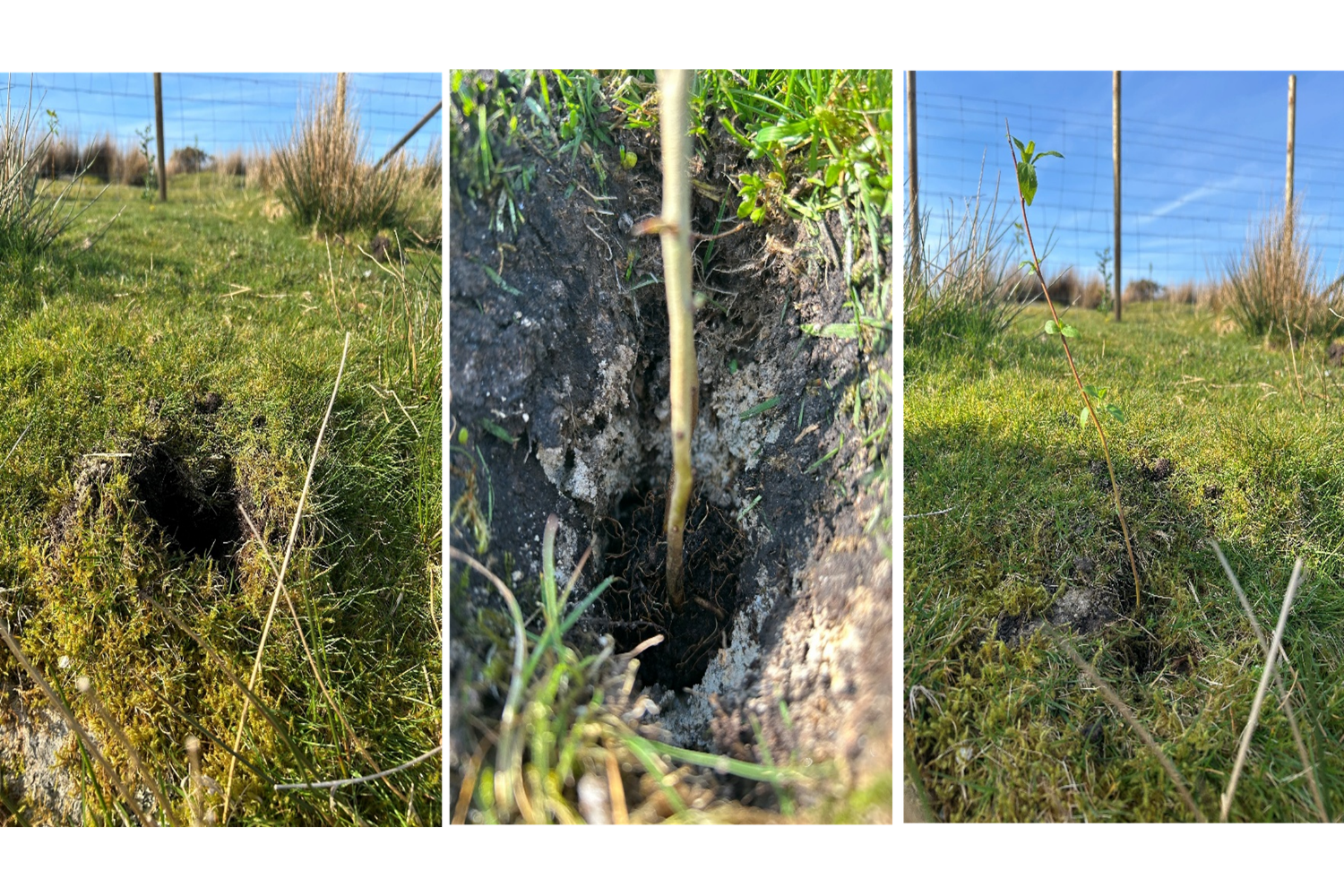
Planting required a bit of effort. The ground was tough, so a diamond-headed shovel was used to lever open the soil and create space for each sapling. In areas where topsoil was thin, a handful of compost was added to give the trees a better start. The remaining compost was spread around the base of the saplings to provide nutrients during their first months of growth.
By the end of the day, all the trees were in place and watered. This helped reduce transplant shock, settle the soil and encourage strong root development.
What Happens Next?
This is only the beginning. The club is already planning the next steps to turn the area into a rich and thriving habitat. This autumn, wildflower seeds will be sown among the saplings, providing an important food source for pollinators. With a bit of luck, these will self-seed and return year after year.
Looking further ahead, around year five, small piles of decaying wood will be placed between the trees. These will provide valuable shelter for insects and small mammals that play an important role in the ecosystem.
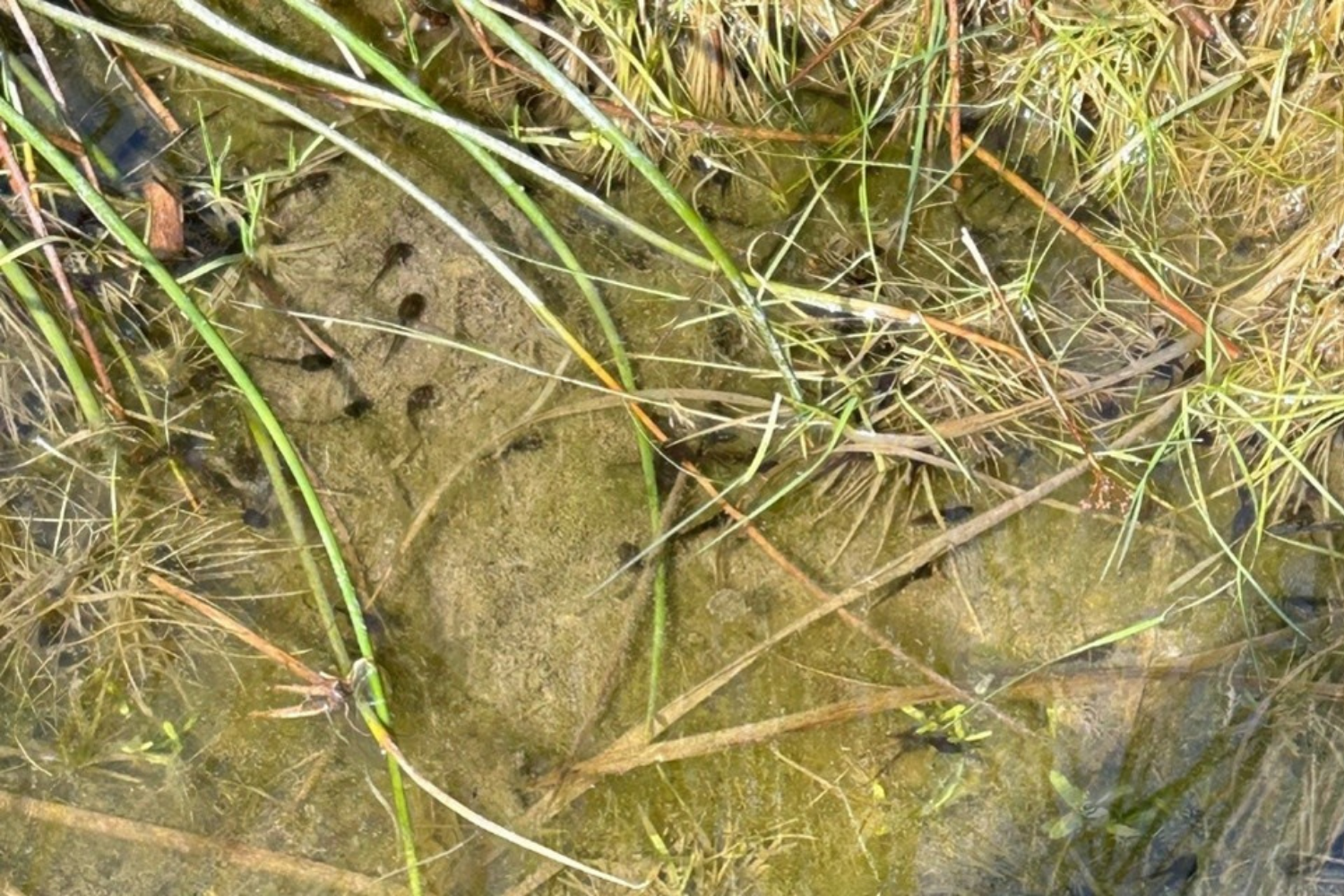
With water just a few metres away, it is likely that amphibians will soon begin to make use of the new habitat as well.
In the longer term, once the trees are well established, the club plans to install bird and bat boxes and continue monitoring the health of the site as it develops into a fully functioning wildlife haven.
You might also like

Marine heatwave: what it means for sea anglers
Bluefin Tuna Catch-and-Release Recreational Fishery 2026
Rays of Tope: New project to unlock the secrets…
New ICES advice highlights mixed picture for key recreational…

Angling Trust welcomes UK ratification of landmark High Seas…
UK Government Pours Cold Water on Urgent Reforms to…
Anglers’ Data Stands Up to Scientific Scrutiny

Team England Fly Fishing on the Hunt for Medals…

Benjamin’s Comber confirmed as new British record

New British Carp Record

IFFA Spring Loch Style Fly Fishing International at Llyn…