

Marine

Marine heatwave: what it means for sea anglers

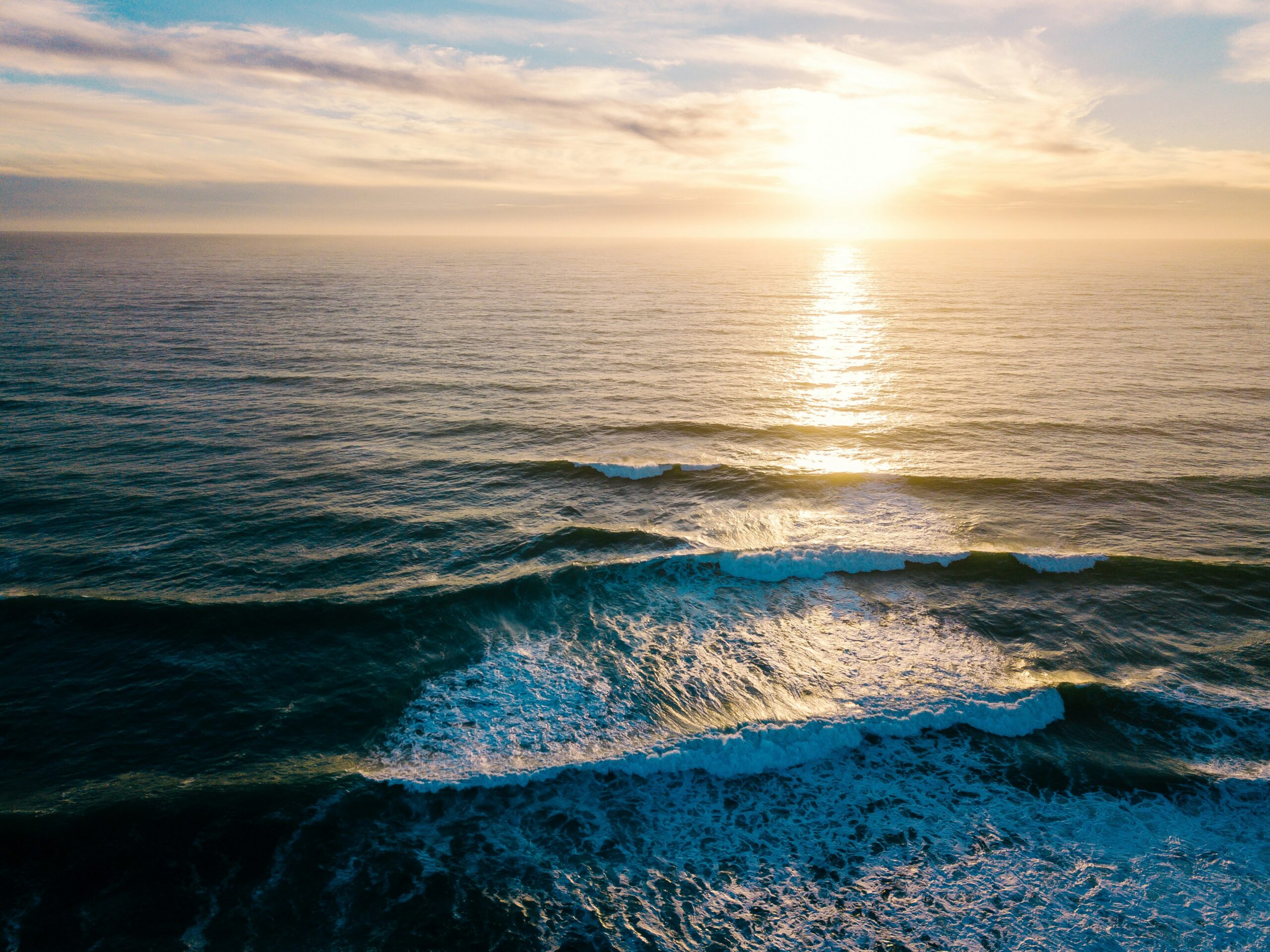
A marine heatwave developing around parts of the UK could reach “extreme” levels this summer, with sea temperatures in some areas forecast to be several degrees above average.

For sea anglers, unusual conditions like these can bring noticeable changes around our coastline. Fish and other marine life respond quickly to changes in temperature, affecting where species are found, what they feed on and how successful anglers are when targeting their favourite species.

The Angling Trust is encouraging sea anglers to record anything unusual they see and submit observations to help build a clearer picture of how our marine environment is changing.

Fishing safely and caring for catches in hot weather

Summer sea fishing can be some of the best of the year, but anglers should take extra care during hot conditions.

Remember to:

  • Use sun protection, wear a hat and cover up where possible.
  • Carry plenty of water and avoid dehydration.
  • Take breaks from direct sun, particularly on exposed marks or boats.
  • Plan sessions carefully around tides, weather and conditions.

Warmer water can also increase stress on fish, as it generally holds less dissolved oxygen. Good fish handling becomes even more important during periods of high temperatures.

Anglers can maximise survival rates by:

  • Minimising time out of the water.
  • Keeping fish wet and protecting their mucus layer.
  • Supporting fish properly during photographs.
  • Using suitable tackle to avoid unnecessary exhaustion.
  • Avoiding prolonged handling, especially with larger or more vulnerable species.

A changing marine environment

Marine heatwaves are prolonged periods when sea temperatures are significantly warmer than normal. The current event is strongest around parts of the southern North Sea and English Channel, with some areas expected to experience very high temperatures.

The UK’s seas have warmed in recent decades, and scientists expect marine heatwaves to become more frequent and intense as ocean temperatures continue to rise.

For anglers, warmer waters can mean changes in the distribution and behaviour of many target species. Bass, mullet, wrasse, rays, mackerel, pollack and other popular species are all influenced by temperature, prey availability and seasonal conditions.

Some warm-water species may become more common, while cooler-water species may shift their range. Recent years have seen increasing reports of species such as octopus in parts of the south-west, gilthead bream and squid around our south coast, and bass moving further north too.

Cooler-water species such as cod and pollack have also experienced longer-term changes in distribution, with warming seas considered one factor among several influencing their decline in some areas.

An added pressure on our fisheries

A marine heatwave is another pressure on fisheries that are already facing multiple challenges, including habitat loss, pollution, climate change and historic declines in fish abundance due to overfishing.

Healthy, productive ecosystems are better able to cope with environmental change, but where biomass has been reduced, marine populations can be less resilient to events such as extreme warming.

Warmer seas can also contribute to lower oxygen levels and increasing ocean acidification, creating further challenges for marine life. These changes highlight the importance of sustainable fishing practices and good information to help understand what is happening beneath the surface.

Anglers are important observers

Sea anglers spend thousands of hours around the UK coastline and are often among the first to notice changes in marine life.

Unusual catches, shifts in seasonal timings, new species appearing, or changes in the abundance of familiar fish can all provide valuable information when combined with reports from other anglers.

Please send your observations to [email protected].

Record your catches through Sea Angling Diary

Recording catches through the Sea Angling Diary helps create a long-term picture of what is happening around our coastline.

By sharing observations and catch records, anglers can help improve understanding of how climate-driven changes are affecting recreational fishing and the species we care about.

The more anglers record what they see, the stronger the evidence base becomes.

Send marine observations to [email protected] and record your catches through Sea Angling Diary.

You might also like