

Marine
Anglers to play key role in landmark shark conservation project
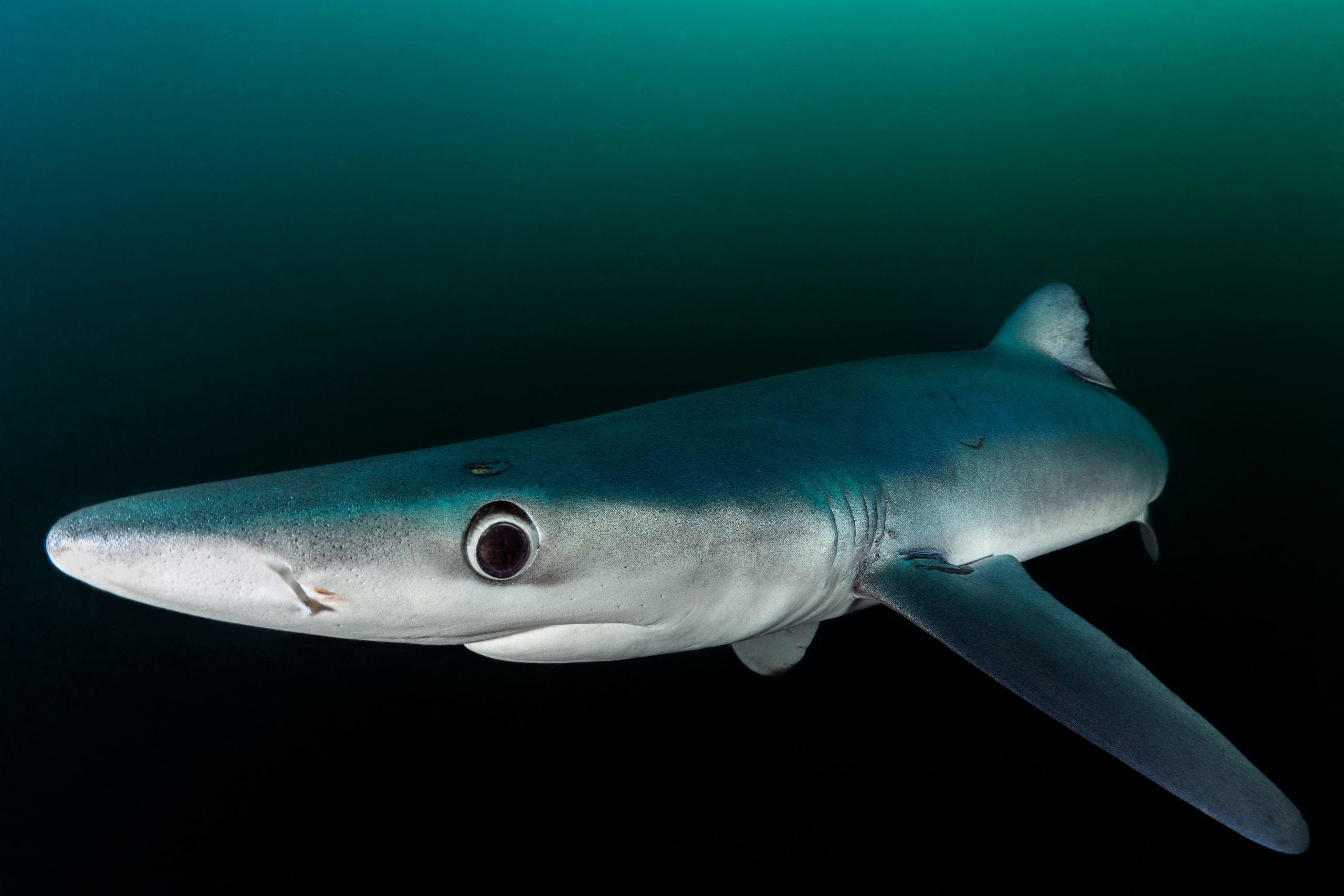
Recreational anglers are set to play a central role in an ambitious new scientific project that will transform our understanding of some of England’s most threatened shark species.
Scientists at the University of Exeter have been awarded funding by Natural England to lead a three-year research programme investigating the movements, breeding grounds and conservation status of blue shark, porbeagle and tope.
The project, funded through Natural England’s Species Recovery Programme, will run until March 2029 and brings together the University of Exeter, the Angling Trust, the Marine Biological Association (MBA) and the Pat Smith Database in a unique partnership that combines cutting-edge science with the extensive knowledge of England’s recreational sea anglers.
Blue shark, porbeagle and tope are all found in English waters but remain poorly understood despite growing conservation concerns. Porbeagle and tope are currently classified as Critically Endangered and Vulnerable respectively in Europe, highlighting the need for improved evidence to support their conservation.
Over the course of the project, researchers will deploy 75 electronic tags, including long-term satellite tags capable of tracking sharks for up to two years. The data will provide unprecedented insights into migration routes, residency areas and how sharks respond to catch-and-release angling.
The research team will also use non-invasive ultrasound technology to identify pregnant sharks and help locate pupping and nursery grounds, reducing the need for more invasive sampling methods.
A key element of the project will see anglers sharing decades of observations and experience. Workshops and structured interviews will be held with sea anglers at major angling centres including Looe, Falmouth and Brightlingsea, helping researchers build the most comprehensive picture yet of shark distribution in English waters by combining historical catch records, local ecological knowledge and existing databases.
The findings will contribute to updated England Red List assessments for all three species and inform best-practice catch-and-release guidance designed to maximise shark survival.
Dr Matthew Witt, Associate Professor at the University of Exeter, said: “Coastal and open ocean sharks are among the most threatened groups of animals, yet they hold huge ecological, cultural and economic value.
“This project brings together anglers, the fishing sector and research scientists from across England to co-create real insight into the lives of sharks.
“By combining generations of angler knowledge with state-of-the-art animal tracking technology, we’re building the evidence needed to secure a future for these remarkable species.”
Dr Bryce Stewart, Senior Research Fellow at the Marine Biological Association, added: “Important and vulnerable shark species live in English waters, yet significant knowledge gaps remain regarding their distribution and abundance.
“This project will provide the most comprehensive assessment of blue, porbeagle and tope sharks undertaken in England to date.
“Working together with the University of Exeter, recreational anglers and other partners, we will collect data to help us to identify the actions needed to secure their future.”
Hannah Rudd, Head of Marine at the Angling Trust, welcomed the announcement, saying: “This project recognises something we’ve known for a long time – recreational anglers are not only passionate about sharks, they’re also an invaluable source of knowledge that can help shape their conservation.
“Sea anglers spend thousands of hours on the water every year and have built up an incredible understanding of these species over generations. By combining that local knowledge with world-leading scientific research, we have a real opportunity to improve our understanding of blue shark, porbeagle and tope, identify the habitats that are most important to them, and ensure that future conservation measures are based on robust evidence.
“We’re delighted to be partnering with the University of Exeter, the Marine Biological Association and the Pat Smith Database on this exciting project, and we look forward to working with anglers across England to help secure a sustainable future for these iconic species.”
You might also like
Anglers to play key role in landmark shark conservation…
New Report Reveals the Hidden Workforce Behind the UK’s…
Marine heatwave: what it means for sea anglers
Bluefin Tuna Catch-and-Release Recreational Fishery 2026
Rays of Tope: New project to unlock the secrets…
New ICES advice highlights mixed picture for key recreational…
Angling Trust welcomes UK ratification of landmark High Seas…
UK Government Pours Cold Water on Urgent Reforms to…
Anglers’ Data Stands Up to Scientific Scrutiny
Team England Fly Fishing on the Hunt for Medals…
Benjamin’s Comber confirmed as new British record