



Lines On The Water
Restoring the River Derwent: How rod licence money is revitalising Cumbria’s rivers
The Derwent is a river in Cumbria, flowing from Scafell Pike to the Irish Sea at Workington. Since the Derwent Owners Association and the River Corridors Group partnered they have been jointly involved in habitat improvement, providing the basis for over 220 riverside management projects.
The Environment Agency is proud to have provided funding to help this work through the Fisheries Improvement Programme. The re-investment of rod licence income supports projects that improve fisheries’ habitats and promote the sport of angling. In addition to match funding, partners contribute invaluable volunteer work resulting in community benefits for the projects around England.
The River Derwent ecosystem’s health has been improved through planting over 50,000 trees, installing more than 100 kilometres of riverbank fencing and riparian buffer strips, and introducing large woody debris. This has helped stretches of riverbank to flourish and increase its security during floods, as well as improve spawning conditions for fish. Community benefits resulting from these works are more extensive green spaces improving the local environmental quality, increase property values, and create opportunities for social recreation.
By supporting breeding fish populations through better habitats, invasive species control and increased catch-and-release rates, anglers also experience more successful fishing trips. Partners in the projects have worked to increase the accessibility of fun and family-friendly fishing in the area by building new stiles and removing thorny vegetation, replacing it with species such as willow and alder, making fishing more enjoyable and safer.
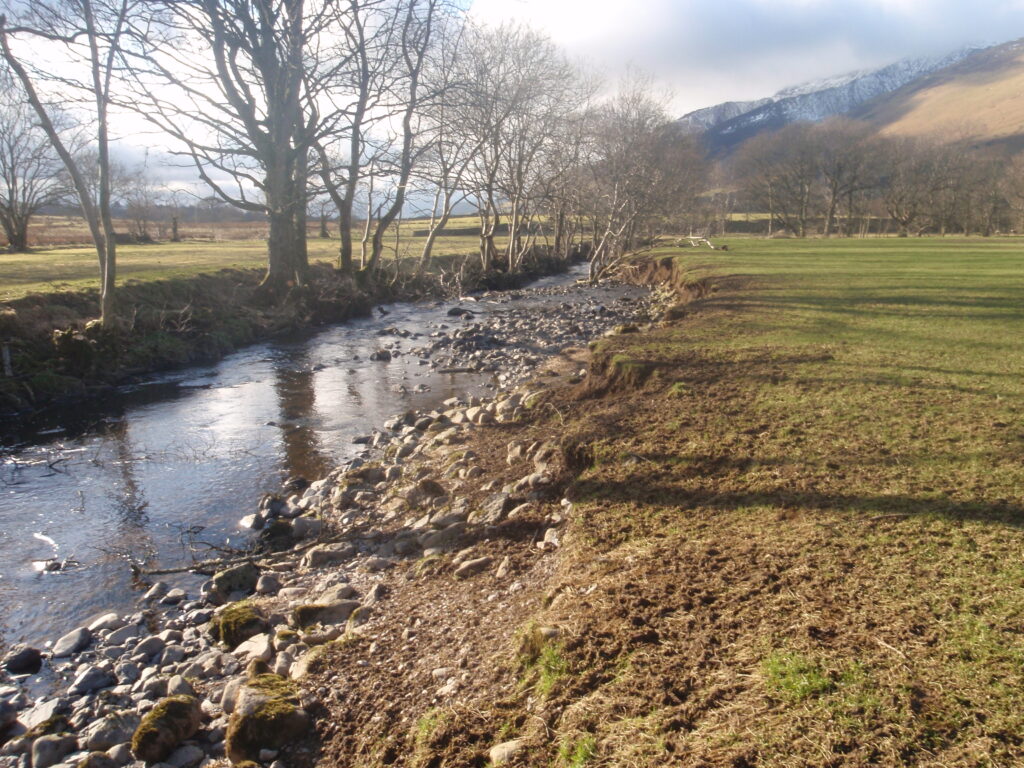
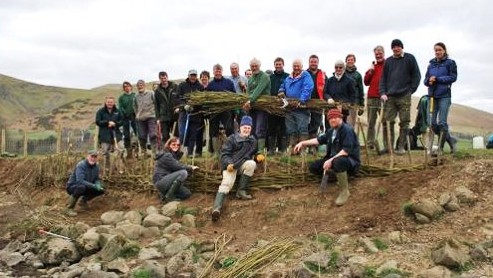
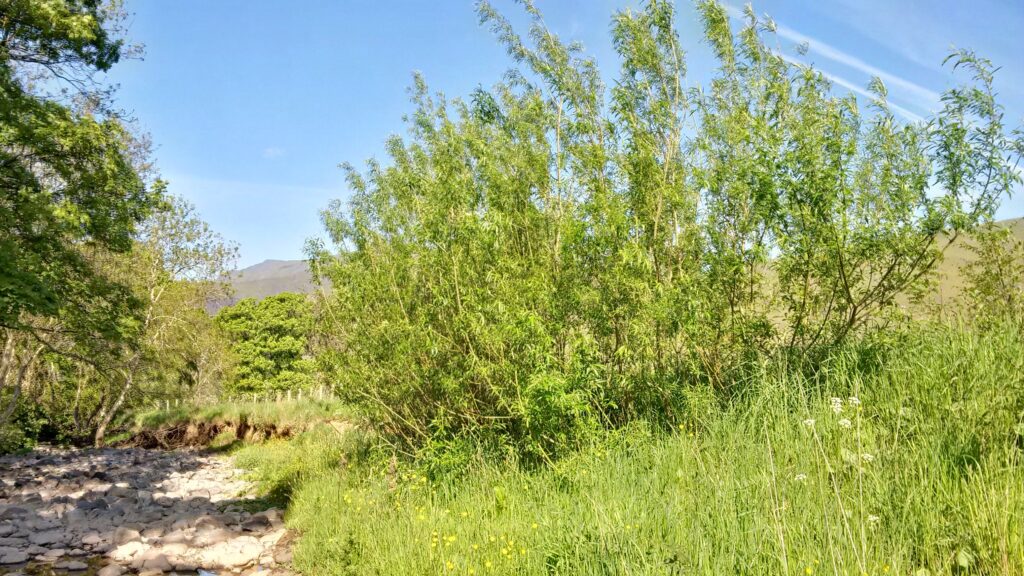
One transformation took place at Troutbeck (pictured below) where the area was restored from a riverbank depleted by stock poaching and overgrazing to a flourishing ecosystem. Volunteers delivered green engineering methods, such as strategic tree planting and willow spiling, which weaves live willow rods together to take root and strengthen the riverbank with their growth.
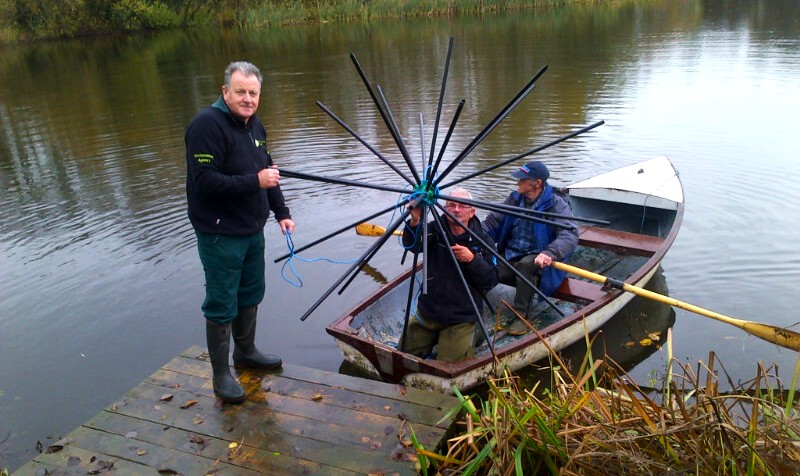
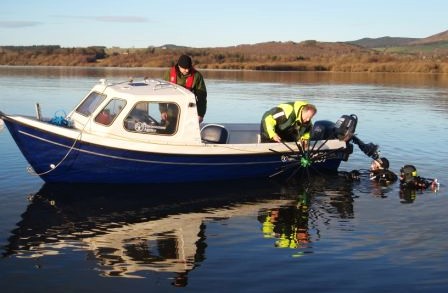
At stillwaters in the area, anglers constructed structures called ‘hedgehogs’ which are designed to protect fish stock by reducing predation. These were introduced at venues such as Crofton Pond and Bassenthwaite Lake, with the help of police divers.
The work has had fantastic community support, with the Rivers Corridor Group recording up to 6,000 volunteer hours per year. Residents, schoolchildren, and angling club members working together has positively increased pride in the local environment. This work has been reinforced through community education and workshops that have taken place across the Derwent Catchment.
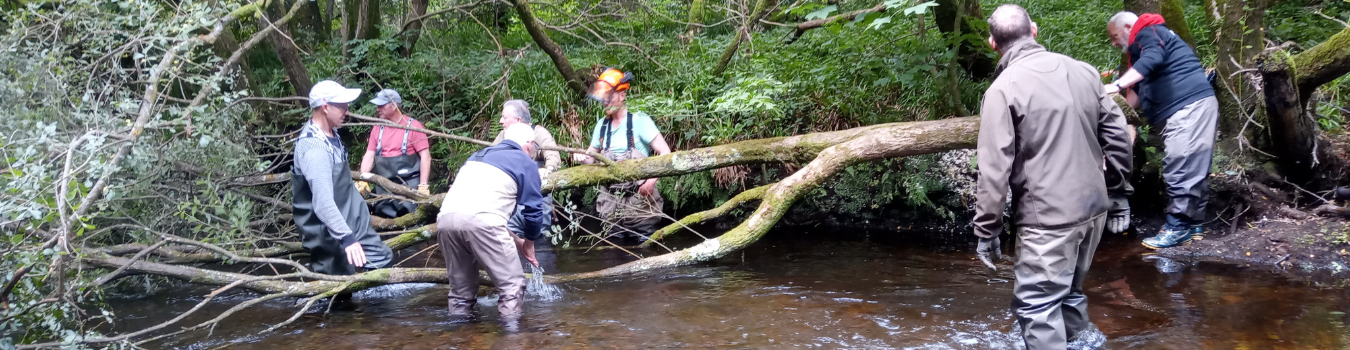
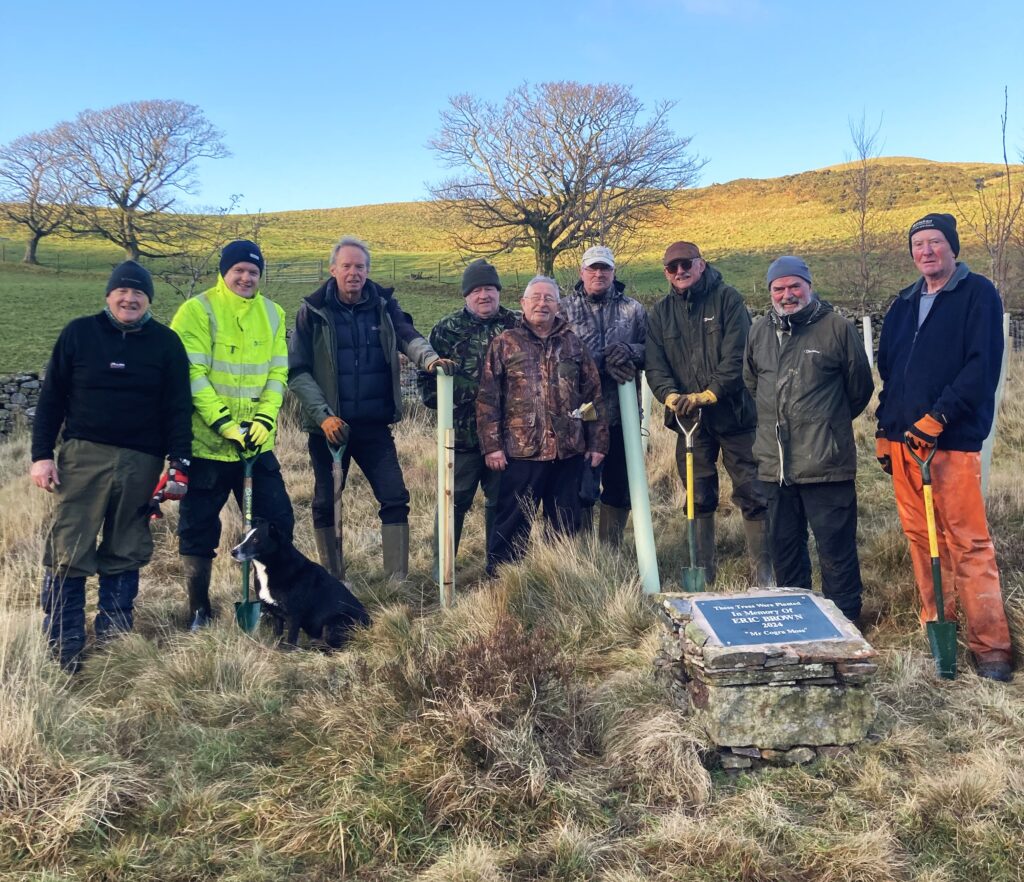
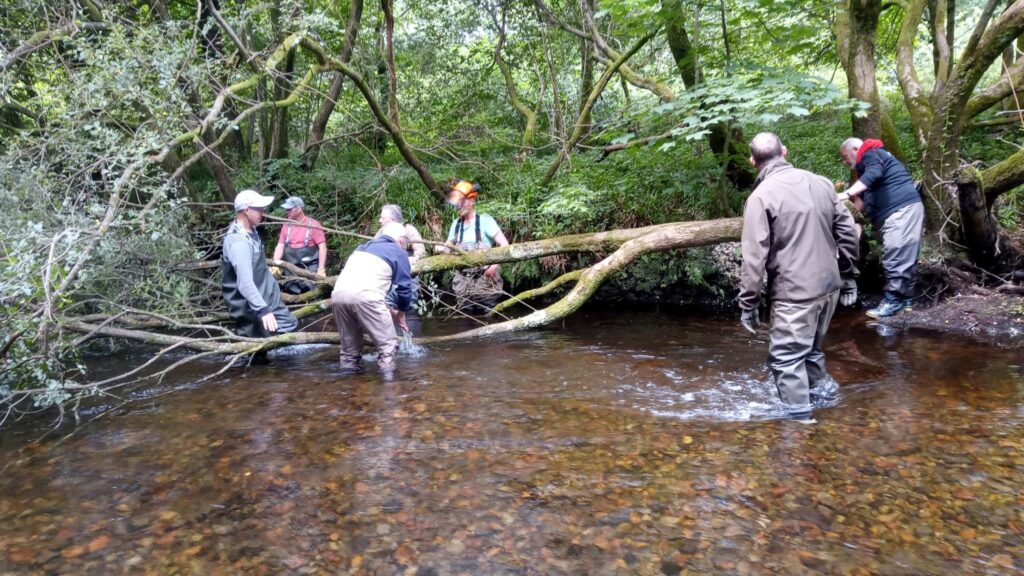
In 2024, the £5,000 investment of rod licence income from the Environment Agency into the Derwent habitat improvement programme supported nine projects involving 26 partners which resulted in 2,175 metres of new riparian buffer strip, 12.4 hectares of improved riverbank, and 5,300 trees planted. Pictured below, Cockermouth Anglers are seen planting Erics Coppice at Cogra Moss and volunteers introducing woody material into the river Esk at Ravenglass as part of a Wild Trout Trust workshop.
The Fisheries Improvement Programme is a great example of the positive investment from income received when anglers buy a rod licence. The portal for project proposals is administered by the Angling Trust on behalf of the Environment Agency. To learn more about the application process click here.
You might also like

Marine heatwave: what it means for sea anglers
Bluefin Tuna Catch-and-Release Recreational Fishery 2026
Rays of Tope: New project to unlock the secrets…
New ICES advice highlights mixed picture for key recreational…
Angling Trust welcomes UK ratification of landmark High Seas…
UK Government Pours Cold Water on Urgent Reforms to…
Anglers’ Data Stands Up to Scientific Scrutiny
Team England Fly Fishing on the Hunt for Medals…

Benjamin’s Comber confirmed as new British record

New British Carp Record
IFFA Spring Loch Style Fly Fishing International at Llyn…