

Anglers Against Pollution

New report highlights how UK rivers are suffocating

Analysis of the largest citizen science water quality dataset in UK rivers

The Angling Trust has released its third Annual Water Quality Monitoring Network (WQMN) report, analysing the largest citizen science water quality dataset ever collected in UK rivers.

Spanning three years of data collection, the 12,000-plus samples analysed add further evidence of ongoing government failure to address the river pollution crisis.

Analysis of Angling Trust data by independent researcher Isla Thorpe of the University of York found that 49.93% of monitored sites showed environmentally harmful nitrate levels, more than 40% failed phosphate standards, and ammonia toxicity risk is rising. While river pollution is endemic, government and regulatory action remain passive at best.

The most alarming trend identified in the report is the relentless surge in nitrate concentrations. The percentage of monitoring sites breaching safe limits has risen every single year. In Year 1, 43.80% of sites exceeded the threshold. This climbed to 45.91% in Year 2 and has now reached a staggering 49.93% in Year 3.

Alex Farquhar, Angling Trust Freshwater Campaigns Officer, reflected:

“Excess nutrients on the scale revealed translate into algal blooms, fish without enough oxygen to survive, and anglers on the bank wondering where the fish have gone. Ecosystems have spent thousands of years finding their balance, but just a few decades of mismanagement and profiteering at the expense of the environment, and the impacts are clear to see.”

Angling Trust data has also shown:

  • Lethal ammonia concentrations are increasing. The proportion of sites breaching safety thresholds has risen from 3.58% in Year 1 to 4.49% in Year 3. Even at low levels, ammonia is highly toxic to fish, causing severe damage to respiration and nervous systems.
  • Temperature trap. The pollution is being is amplified by warmer weather. As water temperatures rise, ammonia becomes more soluble and significantly more toxic.
  • Widespread chemical pollution. Electrical conductivity has shown a clear and worrying increase across almost all catchments over the last three years.

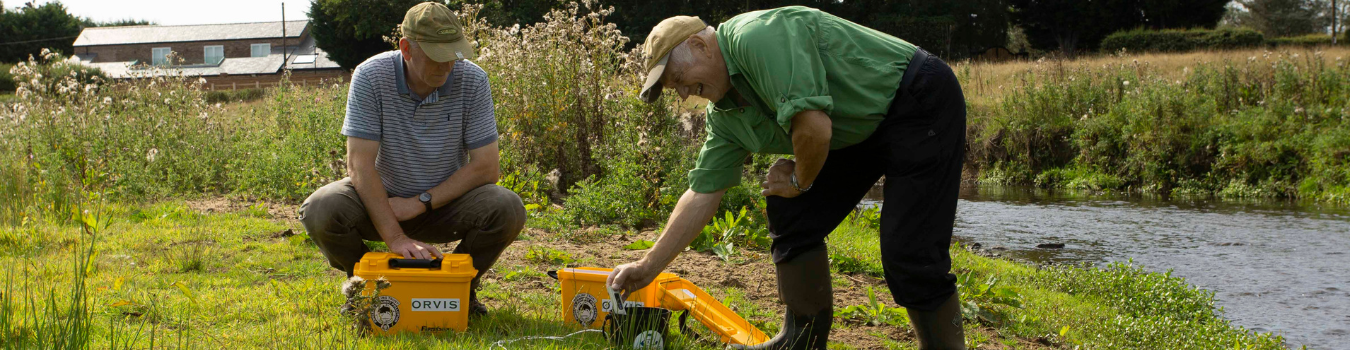
Since its inception in 2022, the WQMN has mobilised over 800 volunteers, who have dedicated more than 4,000 hours to collect over 12,000 samples. Their findings reveal a broken system that has allowed nutrient enrichment to reach ecologically devastating levels.

Will Millard, Adventurer and Angling Trust Ambassador, comments:

“12,000 samples is nothing to be sniffed at, nor is our water. With 50% of samples polluted by nitrates and 41% by phosphate, radical solutions are required to fix a broken system. The tap is open from sewage, agriculture and road runoff. We know the scale of the crisis, and we must work together on solutions.”

The report also examined focus catchments where WQMN sampling density is particularly high.

Jim Murray, Actor, Angling Trust Ambassador and Founder of Project White Hart, stated:

“The Angling Trust report confirms what the salmon are already telling us. In our chalk streams, water quality is failing, and the consequences are catastrophic. Project White Hart exists to address how pollution is pushing these fish to the edge of extinction. The Water Quality Monitoring Network provides the hard evidence needed to hold polluters and regulators to account and to force the urgent action required to restore clean and vibrant chalk streams.”

England is home to 85% of the world’s chalk streams, yet they remain heavily polluted. The report exposes the so-called ‘good status illusion’, where overly lenient regulatory targets under the Water Framework Directive suggest these rivers have good ecological status, while volunteer data shows this to be a fallacy.

Applying scientifically robust targets proposed by Natural England, which are often stricter than those of the Water Framework Directive, the report, drawing on research by For Love of Water and the Test and Itchen Association, reveals that in chalk streams:

  • In the River Avon (Hampshire), 91.5% of samples breached Natural England’s phosphate limit for these sensitive waters.
  • The River Meon is in a similar state of collapse, with 85% of tests failing to meet upper safe limits.
  • Nitrate pollution is endemic and worsening. In the Test and Itchen, average nitrate levels exceeded ecologically safe limits (5 ppm) in every single month of the third year of monitoring.

Using scientifically robust equipment, strict sampling procedures, and repeat sampling at the same sites over a three-year period, this new dataset cannot be ignored. The data confirms what anglers have seen for years. The water system is broken, and our rivers are paying the price.

The Angling Trust and its 800 WQMN volunteers demand that government scales up ambition as it undertakes reforms of the water sector. Fish and the environment cannot wait.

Read the full 3rd Annual Report below – you can also share on social media and download a copy.

You might also like