

Marine

Resetting the Relationship – But Where Are Recreational Anglers?

A major new report from MPs calls for big changes to how the government works with fishing communities. There’s plenty we agree with – but recreational anglers and charter skippers have been left out of the picture. Here’s what you need to know.

Today (24th April 2026), the Environment, Food and Rural Affairs (EFRA) Select Committee published a report looking at the government’s relationship with fishing communities across the UK. It covers the new £360 million Fishing and Coastal Growth Fund, problems with how the government communicates with the industry, and the growing battle for space at sea between fishing, offshore wind and marine conservation.

The Committee has done good work here, and we back several of its recommendations. But the report focuses almost entirely on the commercial fleet. Recreational sea angling – and the charter boat sector that so many coastal towns depend on – barely gets a mention.

We’ve made clear to the government that this needs to change.

Jamie Cook, Chief Executive of the Angling Trust, said:

“The EFRA Select Committee has rightly called out the failure of successive governments to listen to fishing communities, and we support the push for greater transparency, better engagement and a proper framework for managing our seas. But you cannot claim to be resetting your relationship with fishing communities while ignoring over 700,000 recreational sea anglers and the charter boat businesses that keep many coastal towns alive. Recreational sea angling is not a footnote – it is a major part of the coastal economy and it deserves a seat at the table.”

Enforcement: the Committee agrees with us

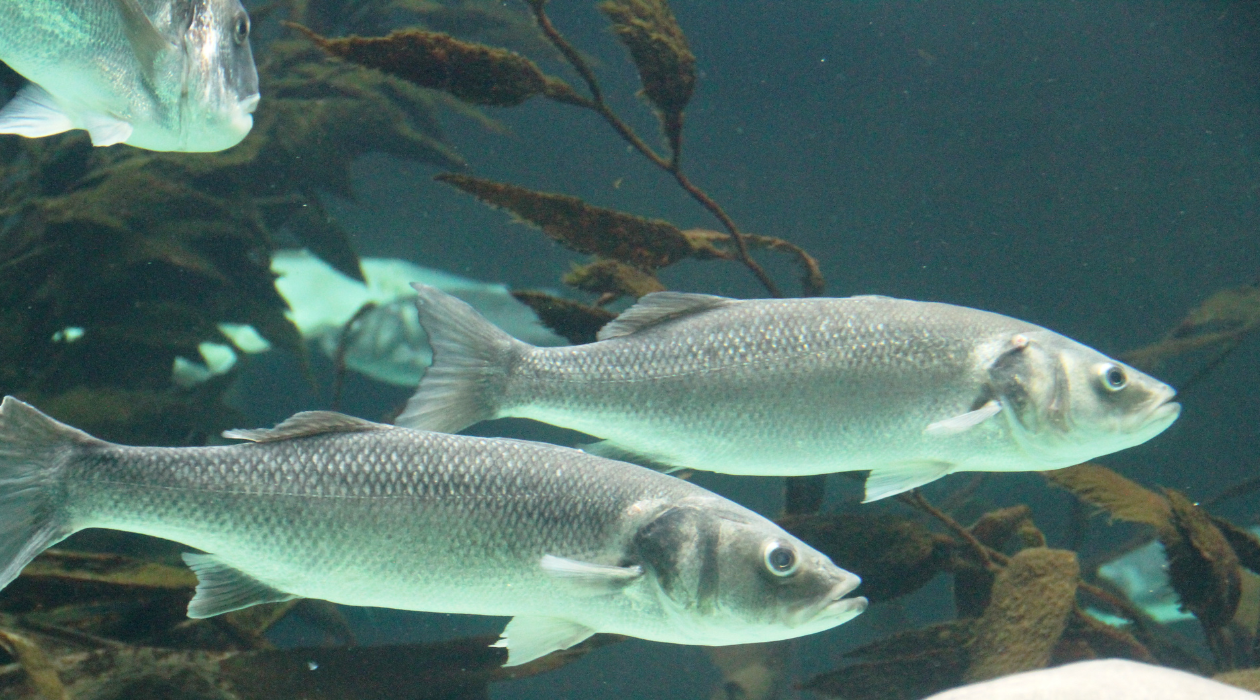
We were pleased to see the Angling Trust named in the report for raising concerns about the lack of enforcement around sea bass, bluefin tuna and mackerel rules. We’ve been banging this drum for years, and the Committee has now told the Marine Management Organisation (MMO) that it must start publishing its inspection and enforcement data again. It’s also calling for three years of back-data to be released so everyone can see the trends.

This matters to every sea angler. If you’re sticking to the bass bag limits, putting back undersize fish, respecting closed seasons or obtaining a bluefin tuna permit, you deserve to know that everyone else is being held to the same standard – commercial and recreational alike. Without published data, we’re all fishing in the dark on whether the rules are actually being enforced. We fully support this recommendation.

The Committee also calls for new Regional Fisheries Management Forums where fishers can have a formal say on draft policies and technical measures. We back this too – but we’re pushing hard for recreational anglers and charter operators to be guaranteed a seat. Decisions about fisheries management, MPAs and spatial planning affect every one of us in fishing, and these Forums must reflect that.

The Fishing and Coastal Growth Fund: where are sea anglers?

The government has committed £360 million over 12 years to a new fund aimed at fishing communities. The Committee wants to know how that figure was calculated, why funding isn’t being delivered faster, and why major ports were left out of the consultation.

We agree with all of that. But here’s the problem for our sector: the Fund appears to be designed entirely around the commercial catching fleet. Recreational sea angling – whether you fish from the shore, your own boat, or a charter – doesn’t feature explicitly anywhere. While our sector is eligible to access the fund on paper, there is no tailoring to our specific needs and that is creating continual barriers to access.

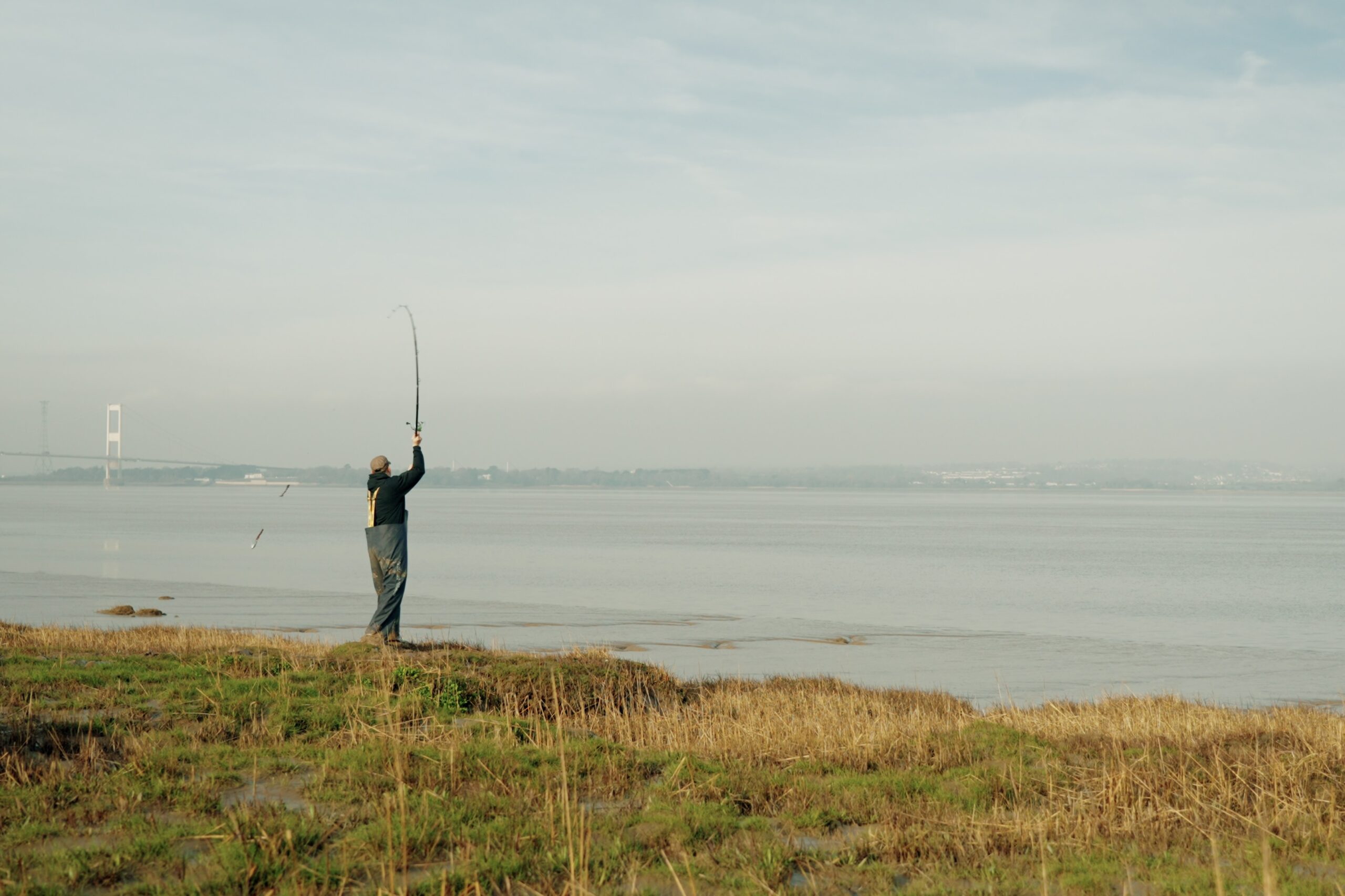
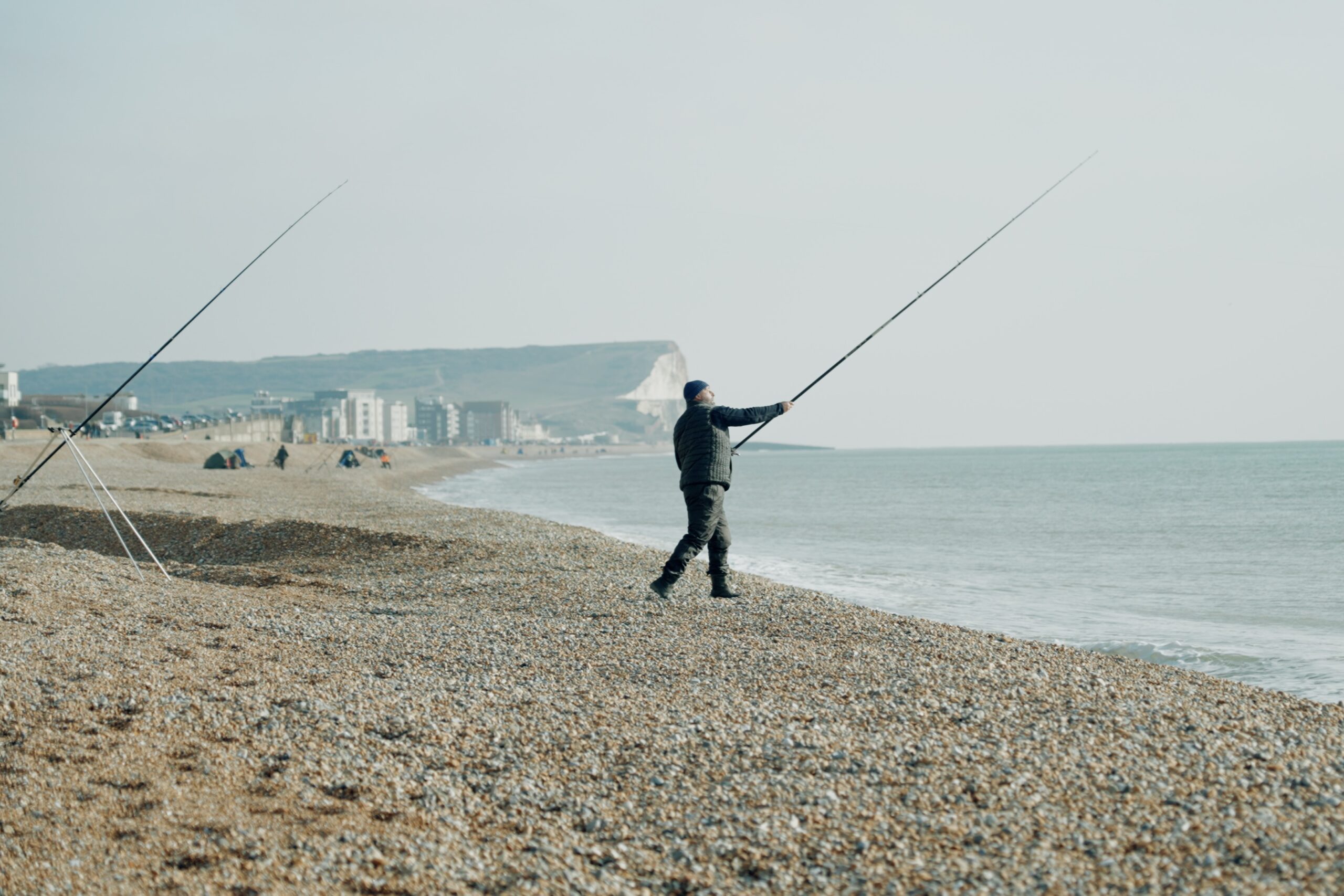
Think about what that means in practice. The Fund talks about investing in port infrastructure and coastal communities, but what about the basics that shore anglers rely on? Safe access to coastal paths and rock marks. Maintained sea walls, piers and breakwaters where people actually fish. Railings, lighting and parking at popular shore venues. Public toilets and clean beach access. These are the things that make the difference between a fishable mark and one that gets quietly abandoned.

For the thousands of small boat anglers launching from slipways around the coast, the picture is just as bleak. Slipways are crumbling, trailer parking is disappearing, and launching fees keep rising – but none of this is on the Fund’s radar.

Charter skippers face their own version of the same problem. They’re commercial operators who employ local crew, bring visiting anglers into town, and keep harbour economies moving – but the Fund doesn’t appear to recognise them. They need functioning pontoons, safe harbour access, customer parking, and well-maintained port infrastructure. They tick every box the Fund claims to support, yet it’s not clear they’re even eligible.

We’re calling on the government to confirm that shore fishing infrastructure, slipway access, charter boats and recreational angling projects can all access this funding from year two of the scheme with tailored support.

Space at sea: anglers are being squeezed too

The report spends a lot of time on the “spatial squeeze” – the growing competition between commercial fishing, offshore wind farms, and marine protected areas. The Committee calls for a new Sea Use Framework to bring order to the chaos, and for a ministerial board to coordinate decisions across government departments. We strongly support both ideas.

But once again, the discussion is framed around trawlers and commercial grounds. The reality is that recreational anglers face exactly the same pressures – and for shore anglers it can feel even more personal. A favourite rock mark closed off because of a coastal development. A pier shut down with no plan to reopen it. An MPA designation that restricts fishing from the shore without clear evidence that rod-and-line angling was causing harm in the first place. Charter boats are displaced by wind farm exclusion zones and cable routes. Small boat anglers find their usual inshore grounds boxed in from all sides.

If the government builds a Sea Use Framework that doesn’t recognise recreational fishing as a legitimate use of marine space, it will fail before it starts. We need to be at the table when these decisions are made – not added as an afterthought.

Hannah Rudd, Head of Marine at the Angling Trust, said:

“The report rightly identifies that fishing communities need better infrastructure, fairer access to marine space, and a government that actually listens. But those communities include the shore angler who relies on a safe, accessible pier, the boat angler whose local slipway is falling apart, and the charter skipper whose business keeps a harbour town going through the summer. A £360 million fund that doesn’t recognise any of that isn’t a fund for fishing communities – it’s a fund for one part of them. We’ll be pushing for the government’s response addresses this.”

What we’re doing about it

We’ve published a detailed response setting out our full position, including our 7 key asks. You can find this here.

In short, we’re calling on the government to:

  • Open the Fund to recreational sea angling – piers, sea walls, slipways, charter boats and angling projects must all be eligible from year two with tailored support.
  • Include recreational fishing in the Sea Use Framework – as a named, legitimate use of marine space with equal standing, covering shore marks, inshore grounds and launch sites.
  • Require Defra officials to engage with the recreational sector as part of the recommended in-person engagement programme – not just the commercial fleet. That means visiting shore marks, attending angling events, and meeting charter skippers alongside port visits.
  • Publish MMO enforcement data as the Committee recommends – recreational anglers need confidence that the rules on bass, bluefin tuna, mackerel and other species are being applied fairly and consistently across all sectors.

The EFRA Committee has opened a door here. It’s now up to the government – and us – to make sure recreational sea angling walks through it.

You might also like