



Lines On The Water
What happens when a fishery reports a potential predation issue?
Angling Trust Fisheries Management Advice
Healthy fisheries don’t happen by chance. They depend on informed management, local knowledge and practical action. The Angling Trust provides expert, independent guidance to angling clubs, fishery owners, local authorities and other organisations to help protect fisheries from predation. Our officers offer advice to anyone faced by the impacts of otters, cormorants and other fish predators to develop practical, evidence-based solutions that benefit both fish and anglers.
This service is funded by the Environment Agency through rod licence income, meaning anglers’ licence fees are directly reinvested in improving fisheries and supporting sustainable angling. By providing free expert advice and site visits, the programme helps clubs and fisheries make informed decisions that protect fish populations and create better fishing opportunities for everyone.
This blog highlights one example of how the service provided by Fisheries Management Advisors is making a difference on the ground.
Richard Bamforth is the Fisheries Management Advisor for the North West, North East, Yorkshire and Humberside, Lincolnshire, East Midlands and West Midlands.
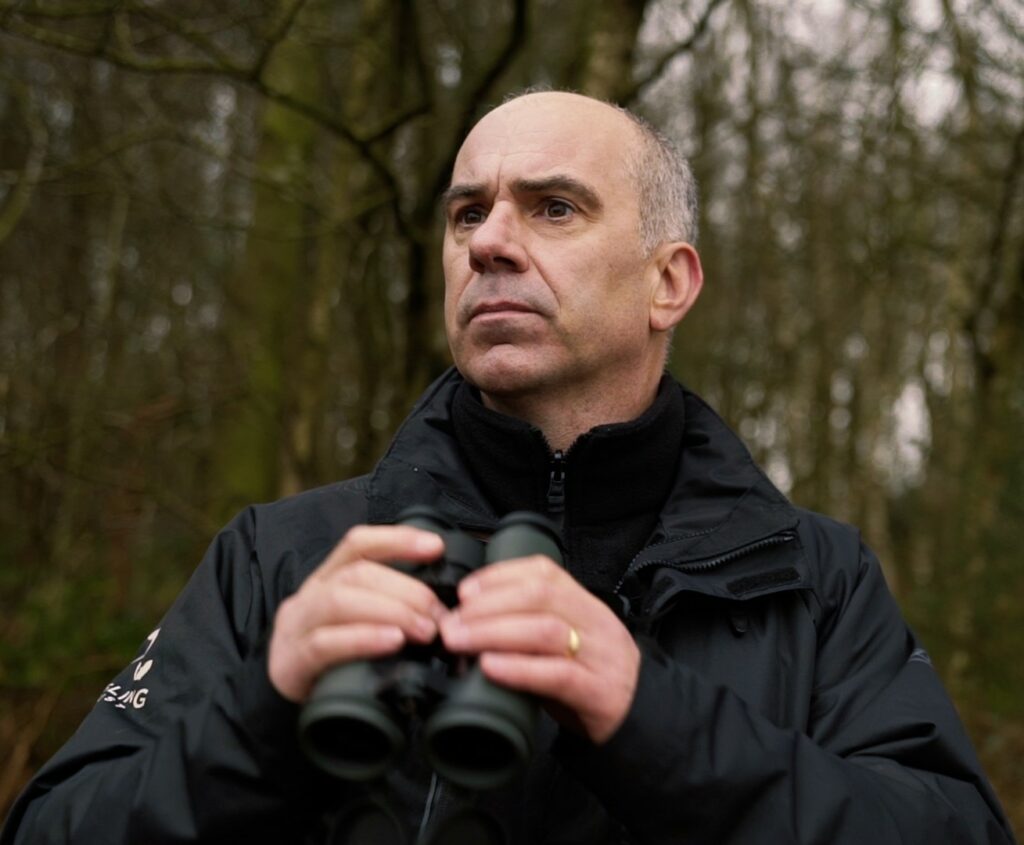
Angling Trust: Richard, when a fishery contacts you for the first time about a potential predation issue, what’s the first thing you do?
Richard: The first step is always to gather as much information as possible before I even visit the venue. I’ll speak with the fishery owner, manager or club officials to understand what they’ve been seeing. That could be reports of damaged fish, declining catches, sightings of predators, concerns from members, or the findings of a recent stock assessment. The more background information I can gather beforehand, the more productive the visit will be, paying particular attention to location, landownership and potential site designation.
Angling Trust: What are some of the key questions you ask at that stage?
Richard: I’ll want to know the size and nature of the fishery, what species of fish are present, when the problems first started, whether there have been any significant fish losses, and whether anyone has actually witnessed predation taking place. I’ll also ask about the history of the fishery, previous & current management measures, and any records they may have of fish stocks or catches. Also have they taken advice recently from either the Environment Agency or an independent fisheries consultant which has specifically highlighted predation as the principal issue.
Angling Trust: Once you arrive on site, what does your assessment typically involve?
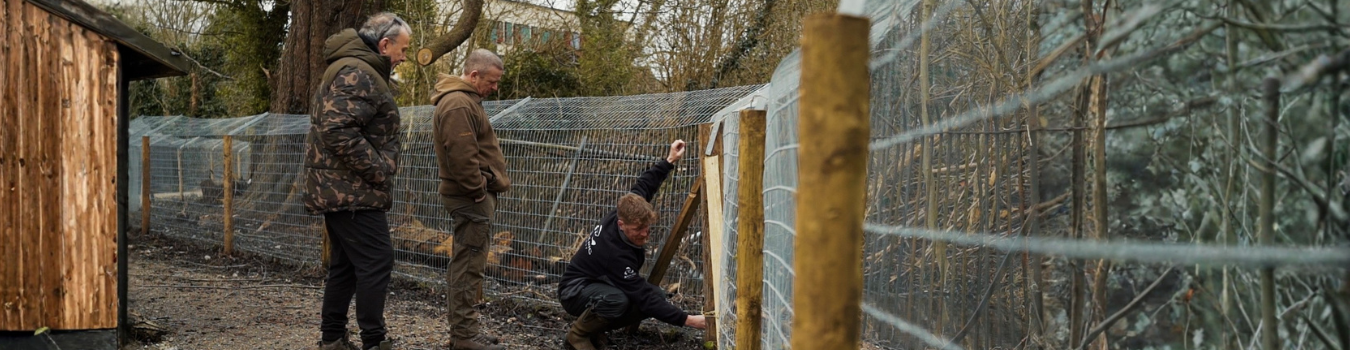
Richard: Every fishery is different, whether it be riverine or a stillwater, but the first thing I do is take a walk around the venue. I’m looking at the layout of the fishery, fish habitat, margins, islands, stock refuge areas and any obvious signs of predator activity, and in the case of otters on fenced venues any potential predator access points. It’s important to understand how the fishery functions before jumping to predation conclusions.
Angling Trust: What signs are you looking for that could indicate predation is occurring?
Richard: That depends on the predator in question. We might find fish with injuries consistent with bird predation, evidence of otter activity around the venue, footprints, spraints, feeding remains, feathers, or regular bird roosting areas. Sometimes the signs are obvious for example where a specific age class of fish has been dramatically impacted, but very often they’re much more subtle and require a careful assessment.
Angling Trust: Is it always predation that’s causing the issue?
Richard: No, and that’s one of the biggest misconceptions we encounter. A reduction in catches doesn’t automatically mean fish are being lost to predators. Water quality issues, fish health problems, spawning success, natural fish behaviour, excess biomass, angling pressure and environmental factors can all affect what anglers are seeing. Our job is to investigate the evidence and establish what’s happening. That’s why a holistic approach is often required taking in advice provided by the EA Fisheries Officer or consultants.
Angling Trust: How important is evidence gathering during these visits?
Richard: It’s critical. Effective fishery management should always be evidence-led. If we are going to recommend predation management measures or discuss licensing options, we need to understand the scale and nature of the problem first. Assumptions can often lead fisheries down the wrong path.
Angling Trust: What happens after you’ve completed your site assessment?
Richard: I’ll discuss my findings with the fishery representatives and provide recommendations based on the evidence available. Those recommendations might involve habitat improvements, enhanced monitoring, fish refuge creation, otter fencing or maintenance of the existing fence, non-lethal deterrent measures, discussing the Natural England licence application procedure. Where further investigations are required, this may involve signposting them to the EA Fisheries team for example.
Angling Trust: Do you provide support after that initial visit?
Richard: Absolutely, the FMA role is funded by the EA non-migratory trout and coarse rod licence monies, therefore our site visits and advice is free in that sense. The first visit is often just the beginning. We work closely with fisheries (and have done so now for over 10 years) to help them implement recommendations, collect evidence, understand licensing requirements and develop long-term management plans. Predation is a very emotive and divisive issue which is rarely solved overnight, so ongoing support is a key part of what we do.
Angling Trust: What would you say to fisheries that are experiencing predation problems but haven’t yet sought advice?
Richard: Don’t wait until the situation becomes critical. The earlier we can become involved, the better chance we have of identifying the problem, gathering the necessary evidence and putting practical solutions in place. Every fishery is unique, and an objective assessment can often reveal opportunities that may not have been considered before, including funding streams.
Angling Trust: Finally, what’s the biggest takeaway from that first visit?
Richard: That every fishery deserves an evidence-based assessment. Predation can be a significant challenge, but understanding what’s happening, why it’s happening and what options are available within the current legal framework is the foundation of good fishery management. The first visit is all about building that understanding and helping fisheries make informed decisions moving forward.
CLICK HERE to contact one of our Fisheries Management Advisors
You might also like
What happens when a fishery reports a potential predation…

WQMN Group of the Month: Citizen Science, Anglers and…
Andy Burnham becomes Prime Minister: here’s what he should…

Anglers to play key role in landmark shark conservation…
New Report Reveals the Hidden Workforce Behind the UK’s…

Marine heatwave: what it means for sea anglers
Bluefin Tuna Catch-and-Release Recreational Fishery 2026
Rays of Tope: New project to unlock the secrets…
New ICES advice highlights mixed picture for key recreational…

Angling Trust welcomes UK ratification of landmark High Seas…
UK Government Pours Cold Water on Urgent Reforms to…