





Lines On The Water
Windermere, Ambleside & District Angling Association water quality monitoring and aeration: a history of progress
With low water levels and high temperatures most of this summer, this guest blog from Nick Butterfield, Fisheries Manager of the Windermere, Ambleside & District Angling Association, is a timely reminder to all angling clubs and fisheries to take action to prevent a catastrophic event.
Six years ago this summer, Windermere, Ambleside & District Angling Association (WADAA) suffered a catastrophic oxygen crash followed by a major fish kill at one of its trout fisheries. It occurred following a rapid ‘die-back’ of algae, somewhere between midnight and 8am.
The events exposed WADAA’s complete lack of understanding and preparation for such events and served to illustrate the significant risk at many of the club’s venues.
A number of environmental changes mean that this risk is increasing significantly year on year. These include:
- Climate change and increasing levels of sunlight leading to larger algal blooms.
- Increased pressure to keep venues weed-free reducing natural oxygenation capacity of waters.
- Drive and demand for more and larger fish.
- Increasing concentrations of nutrient loading in water, particularly nitrates and phosphates.
These combined factors mean more algae, less oxygen and less oxygen producing capacity. This presents an exponential increase in risk and the likelihood of ‘an event’.
In the aftermath of the 2019 fish-kill, WADAA took time to consider its entire approach to the management of its fisheries – and came to some stark conclusions:
- The club had no knowledge of water quality management.
- Tell tales signs had been missed (such as a rapid growth in algal levels) and subsequent clearing of the water.
- No sampling or measurement was being carried out.
- There were few controls regarding stock quantities.
- The club had no emergency response capability.
- The club had no understanding of linked events, such as the impact of weed removal on oxygen levels.
- The club had no data/measurement profiles for each of its venues, so could not determine when an abnormality was occurring.
- The club had no additional aeration capabilities to counterbalance some of its other activities (such as weed removal).
Additionally, as a professional organisation, with a pride in its operation and a responsibility for managing fish health, a serious kill is a very damaging event, both emotionally, financially and reputationally. It also places a significant burden of stress on club officials.
The club made some immediate short-term changes. We:
- Purchased a set of petrol driven air pumps which could be deployed in the event of a crash, to raise oxygen levels in water.
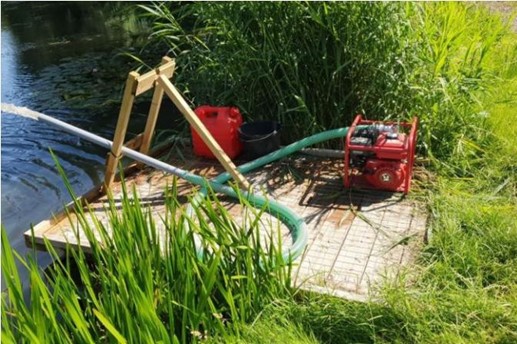
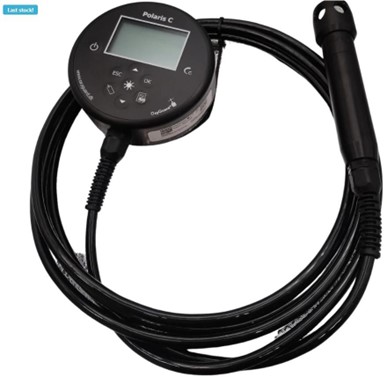
- Purchased a hand-held Dissolved Oxygen meter and began taking weekly measurements at venues deemed as ‘at-risk’.
- Carried out water sampling using Chemical Analysis kits.

These activities immediately raised an awareness, began to build a profile of what was normal and abnormal conditions in venues and set some venue ‘baselines’.
In addition to this, the club began to introduce some basic methods to minimise the growth of algae, particularly in its trout venues, such as the addition of blue dye and the setting of barley straw ‘sausages’.
It also carefully considered its weed removal activities. This is a difficult one to solve though, as maximum weed growth is always in the height of summer when the risk of weeding is at its greatest. As well as removing the oxygen producing plants, mechanical weeding also liberates silt into the water column, mobilising bacteria which multiply quickly and consume dissolved oxygen at a vast rate (the same bacteria which consume dead algae in a crash-event).
The club continued this approach for 12 months. Water sampling was added to the activities of the bailiff and a specific board (committee) member took responsibility for chemical analysis.
The chemical analysis showed some surprising results:
- One venue was being ‘polluted’ by on overflowing private water treatment plant which resulted in an immediate prohibition notice being placed on the plant by the Environment Agency.
- The general level of nutrients in the water across all venues were high.
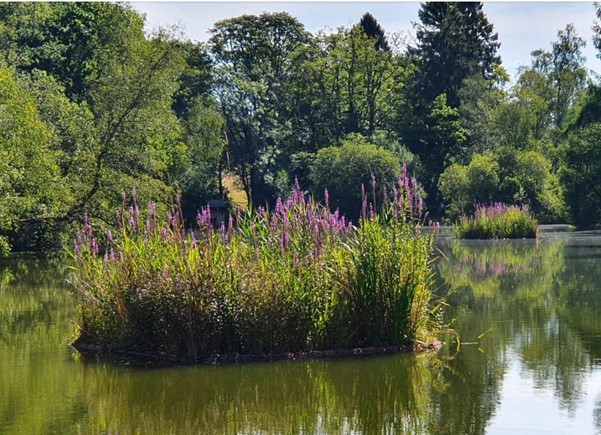
Again, the club took immediate action to try and mitigate these by creating large floating islands, controlled planting to take up the excess nutrients (as a side note, these were placed on top of sunken gabion baskets to provide fish refuges.
At this stage, club officials had begun to understand some of the very important management parameters. Lots of information was also shared with club members, raising general awareness and understanding. This is a huge advantage and creates a ‘many eyes on the water’ capability.
As the solutions developed, the club started to witness drawbacks in the approach it was taking. With a portfolio of nearly 20 venues, bailiffing, water sampling and oxygen monitoring manually was very time consuming.
Also, to be most effective, sampling needed to be done in a very consistent manner – same time, same place. And critically for the measurement of dissolved oxygen, at the same depth. This is virtually impossible when using a hand-held meter thrown from the bank.
Furthermore, weekly sampling (though better than nothing) is fairly ineffective if an oxygen crash can happen in a matter of hours. The club needed to work smarter, quicker, more regularly and more accurately.
An approach was developed to target three specific areas:
- How to constantly measure what is happening.
- How to prevent issues from arising.
- How to respond to issues once they manifest.
Constant Monitoring
Working with contacts that the club had at Manchester University, the club partnered with a data and measurement company specialising in water sampling and analysis (not in fishing but in domestic water management).
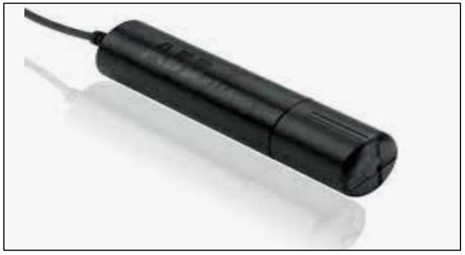
An automatic, 4G monitoring unit and probe were deployed, measuring the critical parameters of water temperature, % dissolved oxygen saturation and dissolved oxygen concentrations, mg/l.
Data is compiled automatically through the company database and WADAA has direct access to the information.
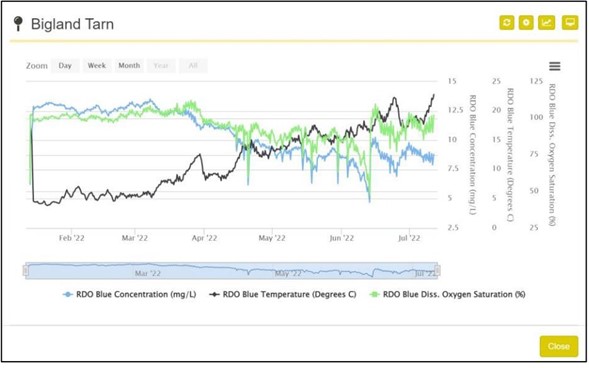
Control parameters are set within the database and warning notifications are automatically issued when readings fall outside set limits.
The monitors are attached to floats and anchored in position in the lake. The probe hangs suspended beneath the float at a determined height.
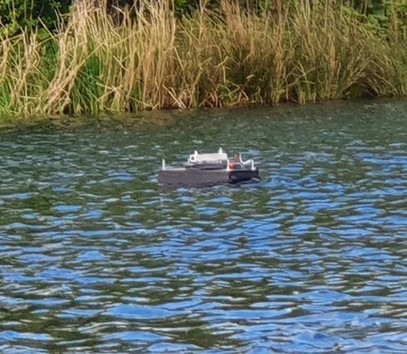
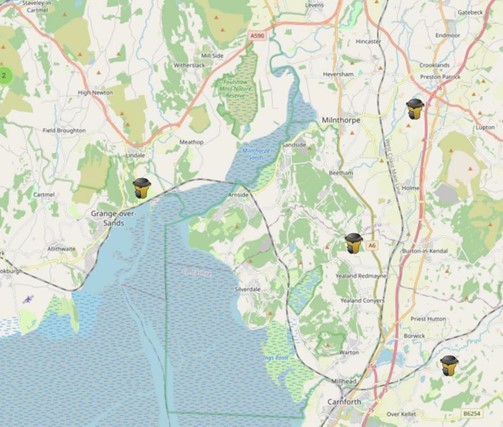
This has been hugely successful and the club now has all of its high-risk venues covered by the capability. The data is accessed through a simple map interface.
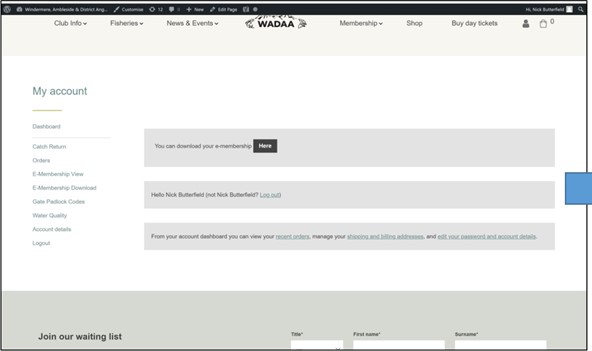
The data is also shared with all club members via their personal account. This not only encourages members to take an interest in the water conditions and gain an insight into the overall management of lakes (and not just chucking loads of fish in!), but also means that the club has more eyes looking out for problems. When conditions are poor, such as high water temperatures on trout venues, members also have the information they need on venue selection.
The system has proven to be almost entirely ‘fit and forget’. The probes need cleaning every four months and, of course, positioned where they are not likely to be cast over.
On a day-to-day basis, temperature and dissolved oxygen are the key measurements, however, other information is also useful. On a sample basis, the club, again working with Manchester University, has used a more sophisticated probe. This allows sampling of the chemical constituents of the water – nitrates, phosphates etc. This probe fits on the same data communication device but produces a much greater data spread.
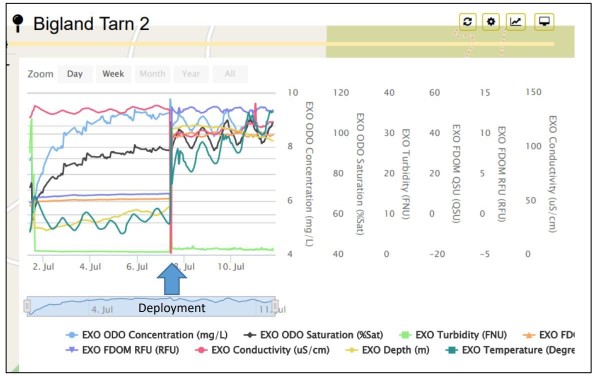
This has proven useful in a number of areas:
- Identifying areas of high concentrations of ‘pollutants’ allowing a focused use of controlled planting and buffer-zone creation.
- Providing the Environment Agency with real-time, ‘hard-data’ to help with any enforcement activities.
In deploying this capability, WADAA now has real-time, accurate and comparable data on which to make intervention decisions.
Issue Prevention
Much can be done to improve water quality by sympathetic management of land over which water flows into the venues. Over the last few years a significant effort has been made in planting. The club has set planted floating islands on many venues. These have been well-engineered to prevent them from becoming broken and as a result are now very well-established units. The islands are constructed from framework of sealed drainage pipes, covered in a mesh and subsequently planted with suitable aquatic plants. The use of rush and more ‘woody’ species prevents them from being destroyed by birds. Additionally, willow saplings are pushed through the floating frames and into the lake bed below.
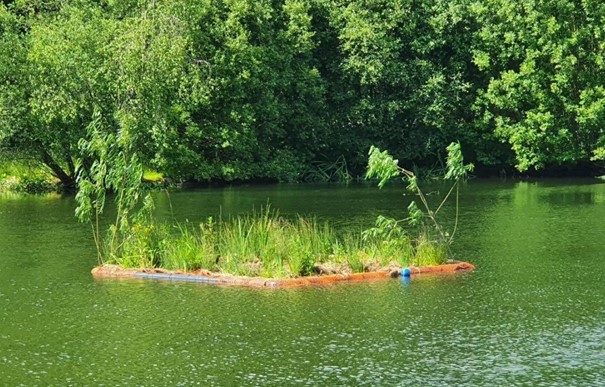
As well as floating islands, margins have also been planted, with plants of different types extending well into the water.
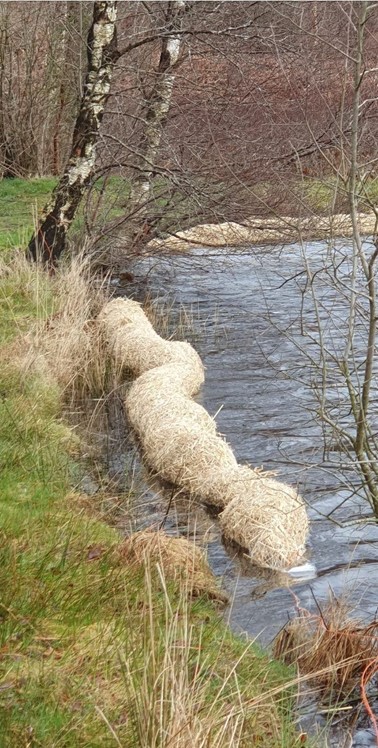
Where farm field runs down close to the water, buffer strips have been developed. This area is again planted to reduce as many nutrients from inflowing water as possible. All inflow areas are thus protected. Additionally, the placement of barley straw ‘sausages’ are also set here.
These ‘soft’ measures have also been supplemented with the addition of mechanical aeration. Where the venue has mains power availability, there are many options and aeration is a relatively straightforward process.
WADAA has deployed several types of aerator, depending on the specifics of the venue – depth, size, noise sensitivity and silt loading.
A large venturi water circulator has been used on a large (but shallow) lake to create flow.
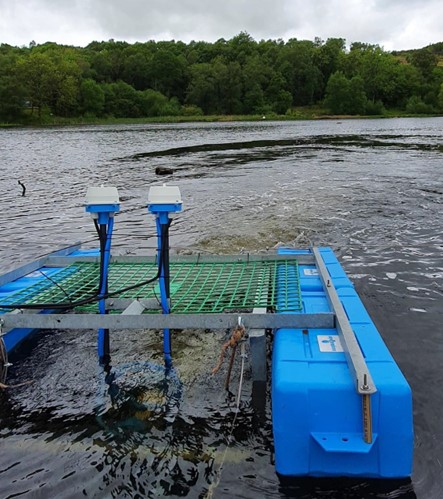
Paddle wheels to create surface agitation and flow.
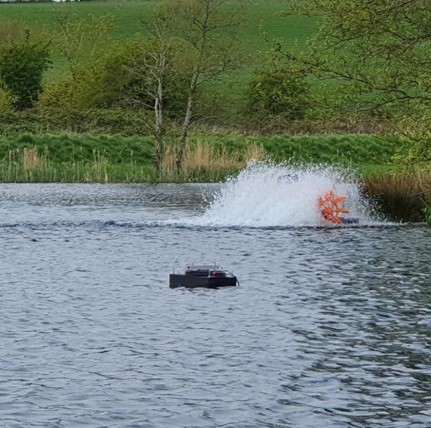
A splasher unit to mix water, and create flow.
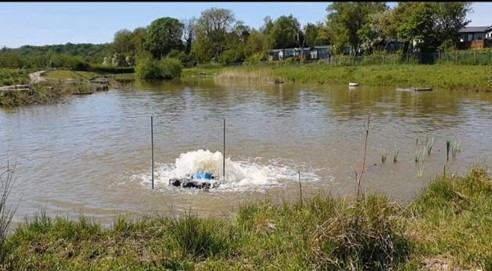
Though simple and reliable, shifting water is expensive. With steep rises in electricity prices, running mains power aeration is very expensive, with individual units costing thousands of pounds to run annually.
Where mains power is not available, providing forms of mechanical aeration is altogether more difficult. The obvious answer is solar. WADAA had good experience of using very simple solar panel solutions to support a recharge capability for batteries operating electric fences. The club has been able to very simply eliminate battery changes (in entirety) on its electric fences, both saving a significant labour burden in winter, but also reducing the risk of a power outage.
Two years ago, the club set out to take this learning and develop a solar powered aerator. Whilst some commercial products were available ‘off-the-shelf’ the club felt that these didn’t serve its needs.
Firstly, aeration is of most use during the night, when oxygen levels are at their lowest (the diurnal cycle caused by a lack of aquatic plant photosynthesis during dark hours). Many commercial solutions couldn’t provide dark running.
Secondly, the units need to have both a capacity high enough to provide sufficient aeration and run over a long enough duration. Again, the club felt that commercial options were either not sufficient or very expensive.
Building a series of panels and charging a battery bank is fairly straightforward. A Photovoltaic panel bank of 1000w, charging 8 lead acid batteries, configured to provide 24v and around 450ah capability was constructed.
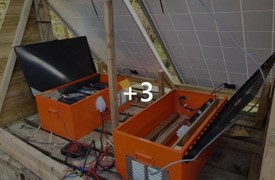
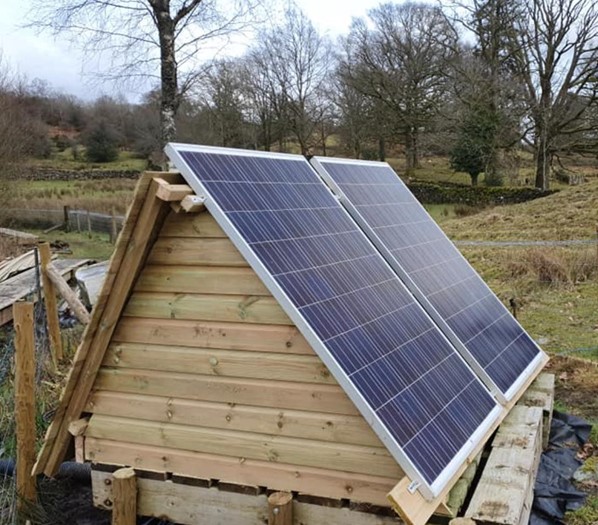
For over a year the club then attempted to engineer, through many iterations, a suitable paddle aerator.
Though simple to get to run, it proved impossible to get reliability and durability over a period of time. The club tried many combinations of motor, 24v dc, 110v ac, 240v ac motors of both brushed and brushless type.
The aim was to achieve a minimum 6-hour run duration covering the period 2am to 8am – the period of highest risk.
A ‘water moving’ aerator consumes about 1000w during runtime. It proved impossible to generate 1000w continuous power, over a 6-hour period, seven days a week. The size of both PV panel and battery bank to achieve this were not feasible.
After much effort and failed attempts, the club looked for a different solution. As air is much lighter than water, the amount of energy used to move it is much less. Though aerators that create splash, such as paddlers are the most effective aerators, less efficient diffusers would be a viable alternative over expended run durations.
Working with the very knowledgeable guys at a company called Aquaculture Equipment Ltd, a multi-head diffuser set-up was developed. Air, driven by a pump, is fed through a series of pipes and out through a micro-diffuser head.
The club worked with two pump sizes delivering 150 litres/minute and 250 litres/minute of air and experimented both with a different number of heads and run duration.
Finally, in the late spring of 2023, the club had a feasible, reliable and effective solution, which it was able to deploy quickly onto three lakes (one trout, two coarse).
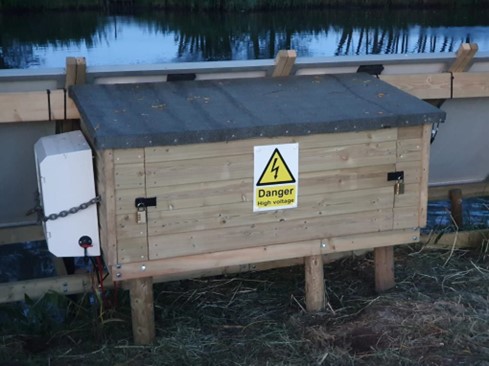
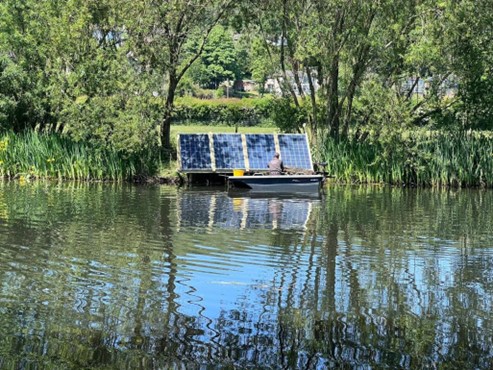
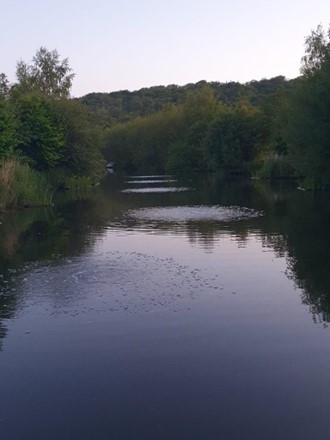
The system, controlled by a timer, can run for 20 hours in a 24-hour period. For two 2-hour periods, 8am-10am and 1pm-3pm, the operation is halted to allow for a fully battery recharge.
In sunny conditions, the system can run for the full 24-hour period, though this is unnecessary under standard lake conditions.
It is also important that the solar solution has a back-up that can be used in event of a failure. The pumped air system that has been developed has a very simple, cheap and effective back-up.
Given the low power consumption of the air pump (115w for the 150 litre/minute version), the system can be powered by a low-capacity petrol generator.
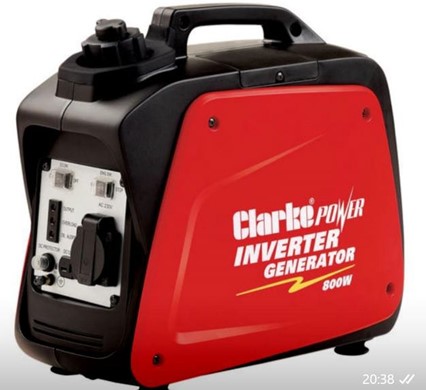
Compared to the water pump that the club had previously used for aeration in emergencies, this offers many benefits.
- Cheap to buy.
- Light and easy to carry and set-up.
- No cumbersome water pipes – it runs the system through the same pump and pipe network as the standard set-up.
- Very fuel efficient, using only one quarter of the fuel of a water pump.
The whole system can be built, start to finish in two days.
Given the solution is largely electronic, it can also be monitored remotely – in a similar way to the water quality monitors. Real-time operational data covering run state, battery charge condition, solar charging rate and remaining available operational time can be viewed via an app.
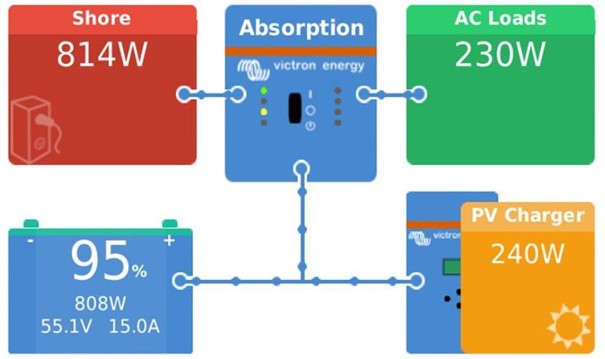
It is a massive advantage not having to visit a venue to see if the solution is running.
Furthermore, the functionality allows the system to be controlled via the app – remote on/off.
WADAA has also developed the ability to link the water quality monitor solution (measuring temperature and dissolved oxygen) to the aerator, thus allowing the system to start automatically if pre-determined parameters are exceeded. However, to date, the club has not used, nor implemented this.
The journey to develop a capable solar aeration solution has been long, arduous and very difficult. It has taken 2 years of constant work to perfect the approach.
Emergency Management
Despite best efforts, emergency situations do arise. They can emerge very quickly and have catastrophic effects. The final piece of the jigsaw that WADAA has developed is being prepared for the worst. This is in terms of seeing the problem as early as possible and being able to respond (with people, knowledge and equipment) immediately.
A real example:
Out of the blue, and at a relatively early point in the year (early June), one of the WADAA monitors began indicating a rapid crash in oxygen levels at a coarse venue. The speed of this decline was stunning. In the space of 12 hours, oxygen saturation crashed from 87% to 0.2%.
This was catastrophic and the club had to take immediate action. The club immediately deployed air pumps and five diffusers heads and created a ‘safe- zone’ within the lake.
The diffuser head solution was connected to a back-up petrol generator and the system was run immediately. This gave 8 hours continuous run time.
In the evening, the pump and diffuser heads were swapped to run off the solar/battery set-up. This was for 2 reasons:
- Silent operation
- 12 hour untouched run duration of the battery bank This cycle was repeated over the next two days.
Concurrently, the club constructed another solar power station at the other end of the lake.
This took a further two days (taking into account sourcing the required materials).
During this time, system 1 ran continuously using the combination of petrol and battery power.
Though oxygen saturation rates remained low, they improved daily.
By day 6 the 2nd solar set-up was fully commissioned and running. The combined nine diffuser heads were run for a combined 24 hours per day (full coverage between the two units). At this point running with the petrol generator was no longer required.
At day 8, the critical danger was averted and the system was returned to night time running only.
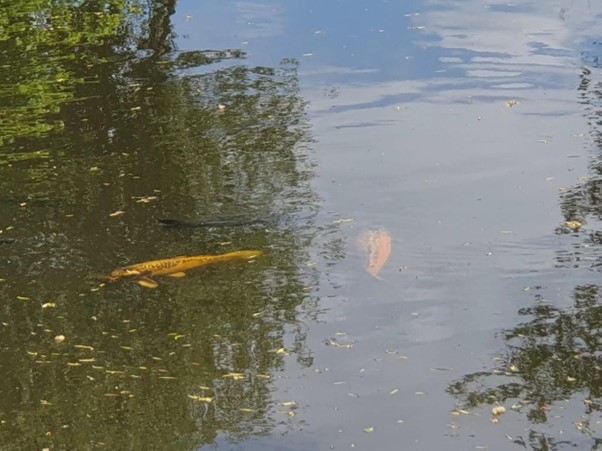
This episode proved the value of everything that the club had been working on. Though the lake suffered a few losses (around 5% of overall stock), 95% of the fish were saved – a remarkable figure given the severity of the emergency.
Next steps
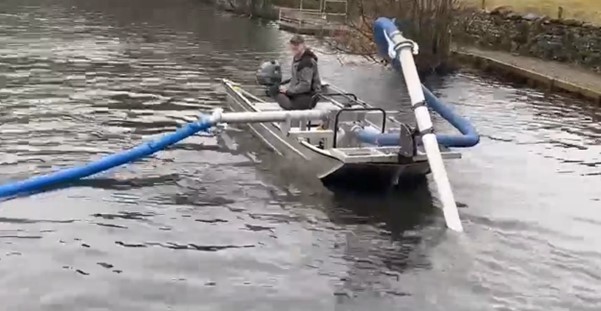
The lake in question has a history of issues caused by a high biological oxygen demand as a result of thick legacy silt. Removal of this silt will be necessary to address the root cause. Silt removal is difficult and expensive. However, following support from the Environment Agency, the club has been developing a pumping solution. After successful early trials, activity was undertaken in winter 2023/4 to clean out the silt.
Some of the WADAA venues do not lend themselves to aeration solutions. These are venues with no mains power, of a size above 3 acres and with high stock density. These are now at the top of the club ‘at-risk’ list.
As permanent aeration solutions are not practical, the club has developed a ‘rapid response’ kit. Prepared and ready to go, the club will hold a pre-assembled series of pipes and diffuser heads, powered by a small capacity petrol generator.
To maximise effectiveness and minimise the labour burden, the generators will be modified with an expanded fuel tank to allow for an uninterrupted 48 hour running period. The kits will be stored pre- assembled trolleys and ready to be deployed at very short notice.
Summary
Managing fisheries is a careful balancing act, often managing away from what would be a natural state:
- High fish stock levels
- Low natural weed
- Low cover and shade
In order to help the club manage this risk, a significant level of development and innovation has been deployed.
Though difficult events will occur on our venues, and the risk of this is likely to get greater as a result of climate change, the club will do all it can to avoid, mitigate or react to minimise impacts.
This innovation comes at both a financial cost and requires a lot of effort to both develop and deploy.
These are actions are necessary to maintain our wonderful fisheries in top condition and offer the very best quality fishing, whether that is coarse or trout, that we can.
The Next Stage: Activities since 2024
Having achieved an operating state which greatly reduced the risk to stock, the club then went about optimising the developed solutions.
This series of improvements focused on:
- Improving reliability
- Reducing costs
- Improving effectiveness
- Eliminating risk
- Reducing effort to operate
Whilst diffused air offered viable solar solution (over water moving solutions) they are an overall less effective aerator.
The club started to understand that the diffused air, whilst providing safe-refuge in an emergency, also has some significant benefits over the longer term. Given that solar solutions cost nothing (realistically) to run, maximum benefit is derived from having them run for most (or all) of the time. Though power consumption can be easily measured and predicted, solar power generation is hugely variable, impacted by factors outside of our control i.e. the strength and angle of the sun and the time of day it shines.
Providing effective solar power is a combination of two factors:
- Battery storage – this ultimately provides the required power for running during the dark and reduced light hours (when DO is likely to be lowest).
- Solar photo-voltaic generation, which impacts both the speed of battery recharge and the amount of surplus power generated to run the systems during the light hours.
Theoretically, it would be possible to build a system that could run all the time, in any condition, it would just require lots of batteries and lots of panels. However, for both practical (ie available space) and financial (ie available money), this is not feasible.
The club, through detailed monitoring and trials, has evolved a ‘best compromise’ solution. Both panel and battery technology has improved massively and continues to do so. In a nut-shell, this means that more power can be generated more quickly at a lower cost. A simple maxim in terms of solar is that you can never have too much power!
The club embarked on a programme to update all its PV panels to the latest specification and implement large capacity, lithium (LiFePO4) batteries:
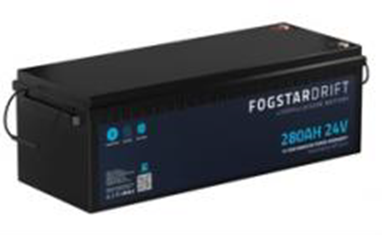
These two improvements, at a relatively moderate cost, have resulted in an ability to run the diffused air systems 24/7/365 – in all but an extended run of the worst generating weather conditions.
As a result of the improving technologies and having got workable diffused air systems perfected, we once again turned our attention to solar ‘moving water’ solutions.
In early 2025, the club installed its first solar splash aerator. This utilises a different operating system to diffused air, in order to better cope with the higher energy demands.
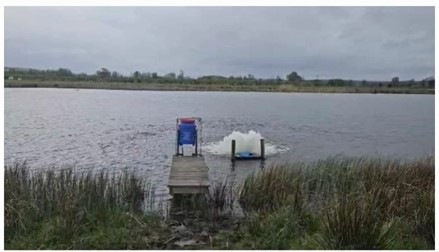
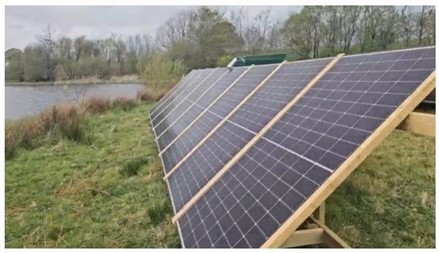
The system has proven to be very reliable and runs from 11pm to 7am every night. As can be seen in the first picture, it also provides the power to run a pellet feeder!!
Whilst working on improvements to the power generation and delivery systems, the club has also greatly improved and simplified the operating system. Simplifying the system by removing components both reduces costs and increases reliability as a result of eliminating the risk of component failure.
Previously, the systems operated using a timer clock mechanism located lakeside. This has a number of disadvantages:
- If the programme required altering, it required a trip to the venue.
- The clock had to be manually updated for BST.
- The clocks needed to be periodically adjusted – they have a tendency to drift.
Additionally, turning the system on and off also required a physical presence at the venue.
During 2025 the club has built and deployed a fully remote operating solution. Once the installation has been constructed, no physical presence is required for any aspect of operation – everything is executed remotely from a simple dashboard. This can be done from a computer or mobile phone, from anywhere in the world, at any time:
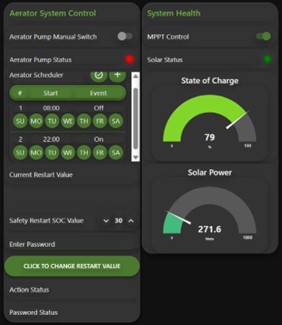
The solutions can run to a timed schedule or can be manually turned on and off. This has resulted in a greatly reduced workload for the fishery manager. The same basic dashboard covers all of the different aerator types – there is a consistent feel and set of commands.
As a result of this work, the club has a fleet of very effective, reliable and easy- to-operate solar aeration systems. However, on some of the club venues, mains power is available.
Mains power aeration systems have many advantages over solar:
- Unlike sunshine, power is always available in unlimited quantities.
- Mains power can run more powerful aeration solutions.
HOWEVER electricity is expensive, especially for moving water systems.
In a similar way to the solar set-ups, an immediate issue to overcome was the restriction with mains power for the requirement to have to visit the venue to turn the solution on and off (or leave it permanently running and suffer the consequences).
Using knowledge gained from the remote solutions developed for the solar installations, an operating dashboard has been built for the mains powered venues.
Using exactly the same principles, the operation of the mains aerators is completely remote. This makes it much easier to turn the systems on and off in response to conditions.
At this stage, the club was able to take data from the water quality monitors (that it had implemented a few years ago) and remotely trigger the mains aerators in response.
So, when a low oxygen warning was generated from the monitors:

Regardless of the circumstances, the aeration could be triggered. This was a great improvement, both reducing the time and effort from a fishery management perspective, but also mitigating some of the costs from a ‘just-in- case’ running condition.
However, the risk was not totally eradicated. The club suffered a fish kill on one of its trout lakes when a very severe and rapid oxygen crash occurred in the early hours of the morning. Despite warning notifications being generated, the management team were not able to respond (they were in bed!!).
As a result, a fully automated response solution was developed.
The club already had water quality data being automatically generated 24/7/365 via the previously described Clam monitors. Combining this solution with the remote aerator controls has facilitated the build of a fully automated, mains aeration system.
DO data was combined within the aeration controls environment:
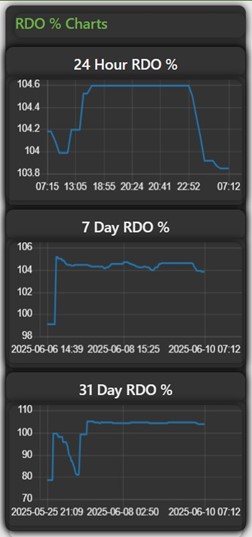
DO saturation limits can then be created for the point that the aeration system turns on (DO low) and off (DO recovered).
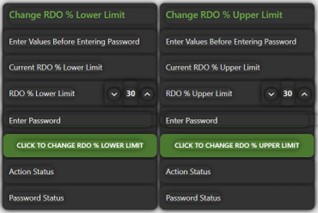
The mains aeration system is now fully autonomous.
- Cost saving – only runs during periods of low DO – no ‘just-in-case’ running.
- Fully configurable – level can be set for individual lakes/species.
- No risk – the system is on and monitoring 24/7 without the need for human intervention.
And it is also run from a common dashboard solution:
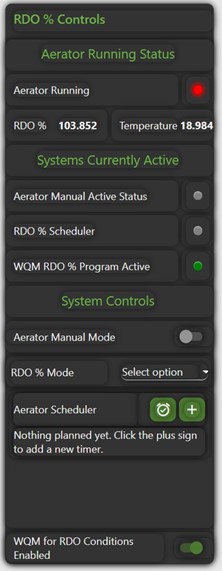
Having established a very robust system of aeration solutions across all venues, the focus shifted to a simple and effective way of monitoring these:
- Same format.
- All in one place.
- Easy to view solution status.
From the operating web portal, the status of all the solutions (mains and solar) are displayed. It is possible to see the operating status for the whole fleet from the one dashboard summary:
- Battery state of charge (for solar)
- Run status (mains and solar)
- Power consumption
The dashboard also proves a simple ‘click’ navigation to the operating controls for every aeration solution. The health of the whole estate can be checked in 30 seconds.
Additionally, the detailed run state for each aeration solution, mains or solar, is also presented:
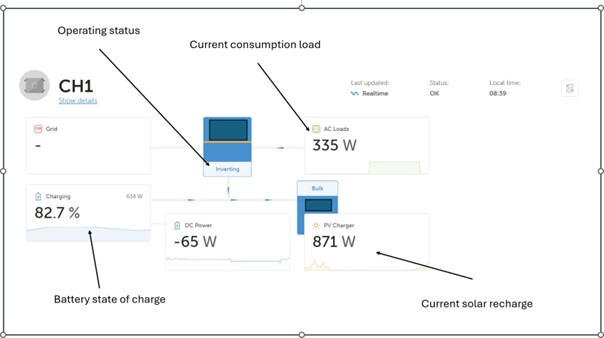
The developed solutions are now in operations across all the suitable WADAA venues. Development will continue to improve their effectiveness and additional features will be added. Focus will also be given to helping other organisations take advantage of this work.
You might also like

IFFA Spring Loch Style Fly Fishing International at Llyn…
Angling Trust Calls for Recreational Sea Fishing to Be…
Learn, Coach, Support, Welfare: Explore Opportunities with the Angling…
Sea angling greats Sam Collier and Saul Page named…

New British Barbel record ratified

Mersey Basin Species Hunt Returns for 2026

Angling Trust sets out vision for coastal growth in…

Angling Trust and Environment Agency evolve volunteer support for…

Tench Masterclass 2026: scenes from a stunning 48 hours…

Tackling mink on club waters: a real-life success story…
Resetting the Relationship – But Where Are Recreational Anglers?
