



Campaigns
Angling Trust calls for action over Norfolk Broads fish kills
Following yet another lethal saline surge wiping out fish stocks in the Norfolk Broads – one of Britain’s most important angling regions – Angling Trust CEO Jamie Cook has contacted the Environment Agency seeking a high level meeting with all interested parties to try and get some focus on possible solutions or mitigations.
The Angling Trust says the authorities simply can’t ignore the damage that is being done to fish stocks and the angling economy of the Broads, calculated to be worth in excess of £100 million per annum and supporting 1,500 full time jobs.
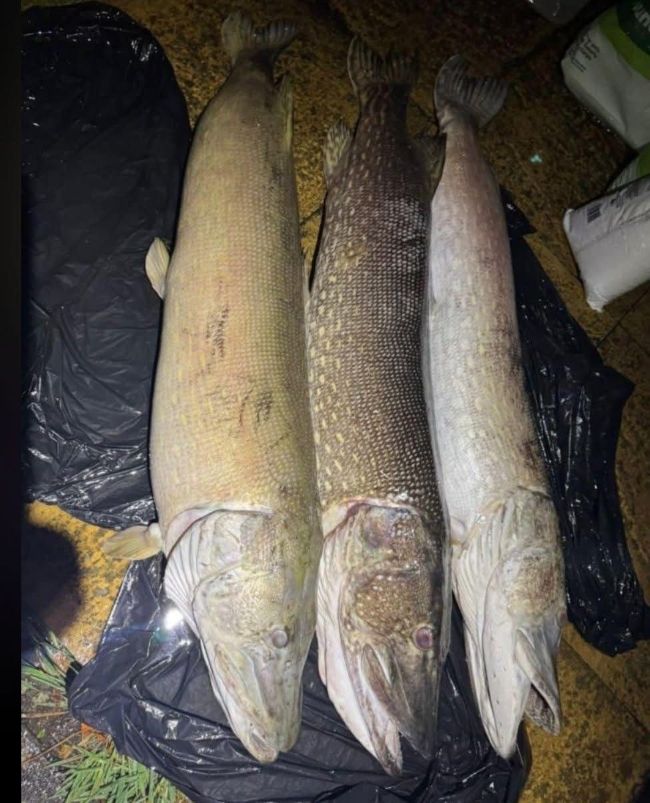
It is estimated that the recent saltwater surges high up into the Norfolk Broads have caused the deaths of many thousands of freshwater fish who cannot withstand the sharp increases in salinity as the big tides and strong winds push sea water many miles up the River Bure and other rivers in the Broads. Local anglers have filmed large numbers of specimen pike and perch floating dead in the margins along with big numbers of roach and bream for which the area is renowned.


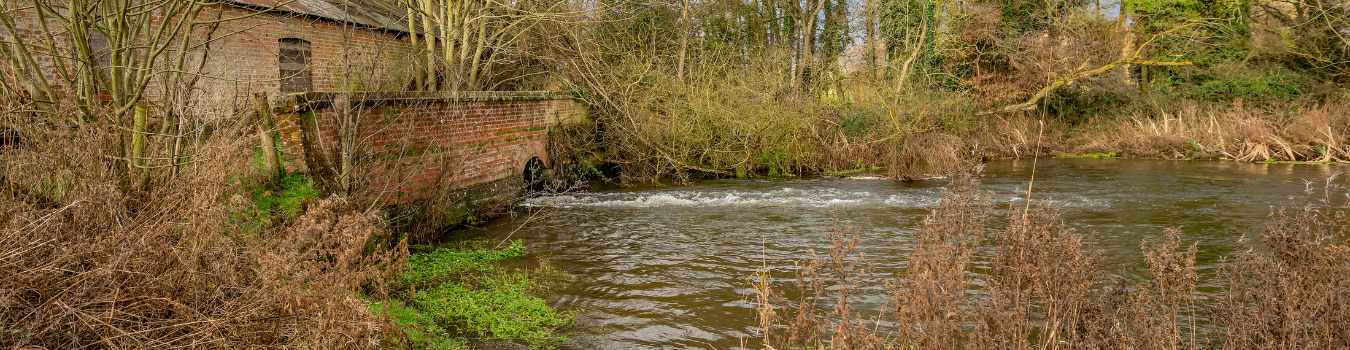
In his letter to Environment Agency Fisheries boss Jenni Balmer, Jamie Cook drew attention to the lack of progress in taking forward previous schemes that could provide protection for fish and wildlife. These included a proposed tidal barrier at Great Yarmouth, the installation of ‘bubble curtains’ as a saline barrier and the re-flooding of previous saltwater wetlands at the estuary mouth to hold back the saltwater surges.
He wrote: “Having trawled through reports and correspondence it is clear that no serious attempts have been made to tackle or mitigate the damage done to fish stocks by these events. Indeed some human interventions have made matters worse such as the creation of freshwater wetlands in the lower Bure catchment thereby depriving the system of much needed storage during flood events.”
Jamie added: “After the 2022 incursion, the Broads Angling Services Group revisited this and presented the case on the use of flood plain. It seems to us that this remains the single most sensible options especially given its effectiveness in the southern Broads system where waterbodies like Breydon Water are able to store and hold back much of the saline incursion from travelling up river and causing fatalities.
“As I understand it this concept couldn’t gain any traction as the RSPB and other environmental groups want things left alone and cited the habitat regulations on newly created Special Protection Areas to maintain the status quo. I find this quite extraordinary as the same NGOs are usually keen to promote the use of natural processes to hold back water, except it seems when it comes to the River Bure system. I’m sure if the saline incursions were killing birds at the same rate as they are killing fish then the RSPB might take a radically different position.”
The Angling Trust intervention has the support of prominent Norfolk anglers who have long wanted to see action to protect their fishing.
Chris Turnbull, wildlife artist, angling book author and conservationist, said:
“I have lived in Norfolk for over 45 years. In that time I have seen numerous saline surges. Some of these have taken a disastrous toll on the Broads freshwater fish stocks. In the past few years these saline floods have become far more frequent and have heavily impacted on the freshwater ecology. The urgent choice facing us is are we prepared to watch rising sea levels destroy one of the country’s most loved freshwater environments, or are we finally going to do something to prevent this from happening.”
Phil Spinks, Angling Direct broadcaster, said:
“Having fished the Norfolk Broads for over 25 years, I’ve seen first-hand the devastation caused by salt surges – huge numbers of fatalities, including some very big fish. The surges seem to be happening more frequently. If we don’t act soon, the demise of the Norfolk Broads will have a huge effect on the area.”
Kelvin Allen, former Chair of the Angling Trust’s Eastern Region Forum and BASG, added:
“The Broads has suffered numerous damaging environment incidents over recent years, with climate change raising the challenge even higher. The complex governance surrounding the Broads clearly making things difficult to establish defined ownership and leadership. If, as many say, managed retreat is the only viable option, then it is time we saw some form of management action and not leave things to rivers full of decaying corpses.”
You might also like

New British Carp Record
IFFA Spring Loch Style Fly Fishing International at Llyn…
Angling Trust Calls for Recreational Sea Fishing to Be…
Learn, Coach, Support, Welfare: Explore Opportunities with the Angling…
Sea angling greats Sam Collier and Saul Page named…

New British Barbel record ratified

Mersey Basin Species Hunt Returns for 2026

Angling Trust sets out vision for coastal growth in…

Angling Trust and Environment Agency evolve volunteer support for…

Tench Masterclass 2026: scenes from a stunning 48 hours…

Tackling mink on club waters: a real-life success story…