

Marine
High Seas Treaty comes into force – but UK lags behind
The UN High Seas Treaty (Biodiversity Beyond National Jurisdiction) has officially come into force, marking a landmark moment for ocean protection and global fisheries governance. For the first time, there is a legal framework to protect marine biodiversity in waters beyond national jurisdiction – an area that covers two-thirds of the world’s ocean.
However, despite being an early advocate of the treaty, the UK has yet to ratify it, raising concerns that it could be excluded from key international decisions that will shape the future of the world’s oceans.
Why the High Seas matter to anglers
Although most UK anglers fish closer to home in our coastal waters, many of the species of recreational, ecological and cultural importance to sea and game anglers spend a significant part of their lives on the high seas.
These include:
- Atlantic salmon, which spend an extensive period of their life cycle in international waters before returning to UK rivers to spawn
- European eel, now critically endangered, whose lifecycle spans rivers, coastal waters, and the open ocean
- Atlantic bluefin tuna, recently returning to UK waters but still vulnerable to commercial overexploitation across their migratory range
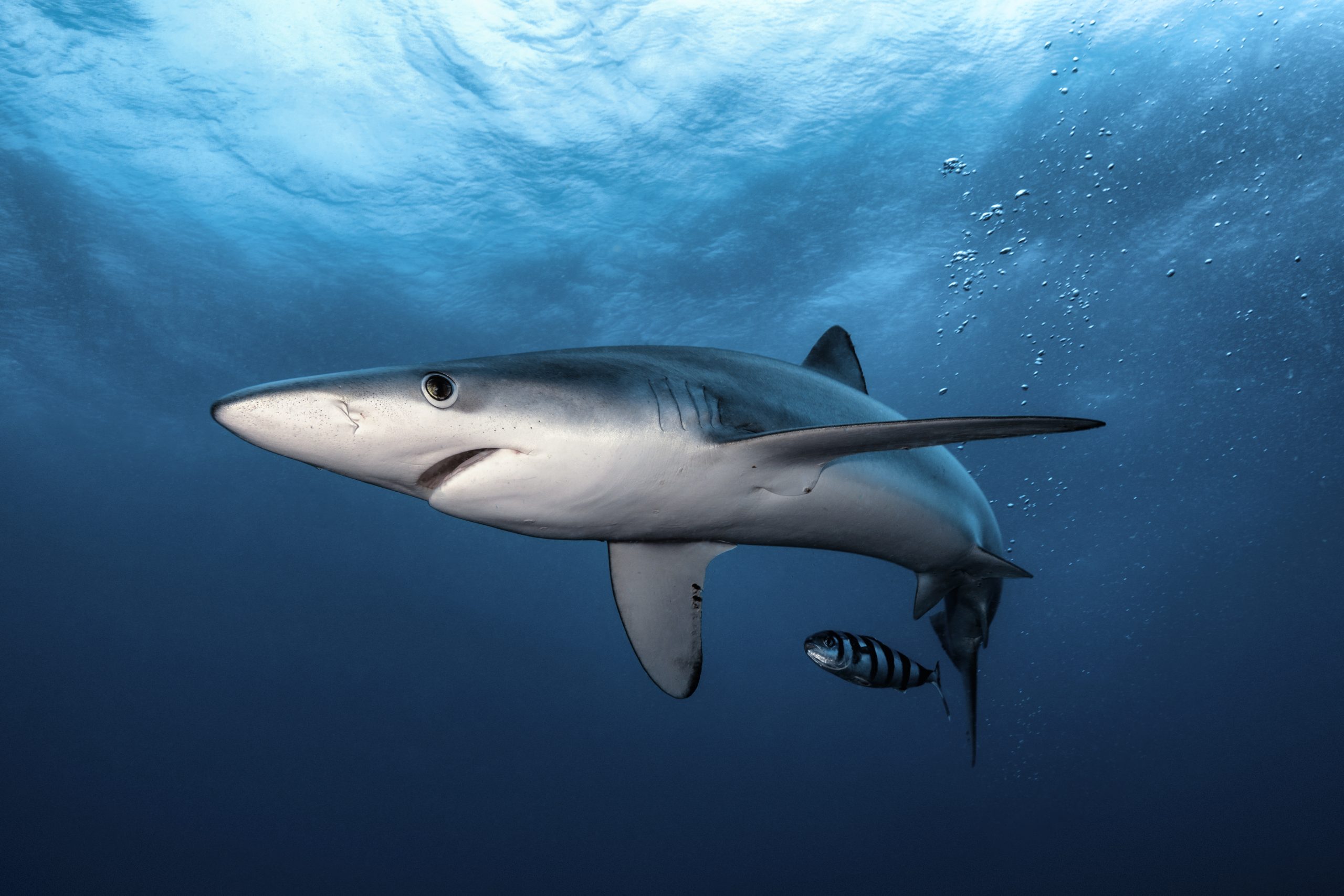
- Shark species like blue sharks, many of which are slow-growing and particularly susceptible to unregulated industrial-scale fishing pressure
Until now, these waters have effectively been a governance blind spot. The High Seas Treaty – formally known as the Biodiversity Beyond National Jurisdiction (BBNJ) Agreement – begins to change that.
For the first time, countries can work together to:
- Establish marine protected areas (MPAs) on the high seas
- Require environmental impact assessments for damaging activities
- Improve coordination between international fisheries bodies
- Put conservation and sustainable use on a legally binding footing
This treaty represents an important step towards managing fish stocks across their entire life cycle, not just once they enter UK waters.
Risk of the UK being left behind
More than 80 countries, including France, Spain, Japan, China and Brazil, have already ratified the treaty into domestic law. Despite signing the agreement in 2023, the UK’s own legislation is moving slowly through Parliament.
Unless the UK completes ratification soon, it risks being shut out of the first UN Ocean Conference of the Parties (Ocean COP), expected as early as August this year, which could result in the UK losing its seat in influencing
“Many of the species recreational anglers care about range far beyond UK waters and depend on healthy high seas ecosystems,” said Hannah Rudd, Head of Marine at the Angling Trust “The High Seas Treaty is a major opportunity to improve their protection, but unless the UK ratifies it quickly, it risks losing influence over decisions that will shape the future of our oceans.”
“For a maritime nation, this delay is disappointing. Ratifying the treaty now is essential if the UK wants to show leadership on sustainable fisheries and secure long-term benefits for global seas and coastal communities.”
A chance for leadership that the UK must take
The High Seas Treaty has the potential to underpin the largest network of marine protected areas ever created, supporting international commitments such as the global target to protect at least 30% of the ocean by 2030.
While the treaty alone will not solve all the challenges facing the marine environment, it provides vital tools to address overexploitation, habitat damage and the cumulative impacts of human activity far beyond national waters.
Our message is clear: healthy fisheries mean a healthy ocean, and healthy fisheries depend on international cooperation as much as domestic management.
The Angling Trust supports the ambition of the High Seas Treaty and urges the UK Government to ratify it without further delay, ensuring the UK can play a full role in shaping its future – and securing a better future for fish, coastal communities and the marine environment.
Header Image © Harry Stone.
You might also like
New British Carp Record
IFFA Spring Loch Style Fly Fishing International at Llyn…
Angling Trust Calls for Recreational Sea Fishing to Be…
Learn, Coach, Support, Welfare: Explore Opportunities with the Angling…
Sea angling greats Sam Collier and Saul Page named…
New British Barbel record ratified
Mersey Basin Species Hunt Returns for 2026
Angling Trust sets out vision for coastal growth in…
Angling Trust and Environment Agency evolve volunteer support for…
Tench Masterclass 2026: scenes from a stunning 48 hours…
Tackling mink on club waters: a real-life success story…