

Marine
Angling Trust condemns removal of 100cm maximum landing size for spurdog
The Angling Trust is deeply disappointed and angered by the UK Government’s decision to remove the 100cm maximum landing size for spurdog.
This change directly contradicts the UK Government’s own recent public commitments on the need for precautionary management of this highly vulnerable shark species – and risks repeating the mistakes that led to its historic collapse.
Less than a year ago, in a UK Government blog announcing changes to spurdog management, there was clear recognition of both the fragility of the stock and the importance of protecting large, breeding females. It stated:
“Even with this change, a careful, precautionary approach was still needed to protect the population. One key measure was that any spurdog longer than 100cm must still be protected. These larger sharks are usually females that can produce many pups, so protecting them helps the population stay healthy and grow.”
That statement could not have been clearer. The protection of spurdog over 100cm was presented as a cornerstone of a responsible recovery strategy. The decision to now remove that protection undermines the very logic used to justify reopening the fishery in the first place.
A species that cannot withstand short-term thinking
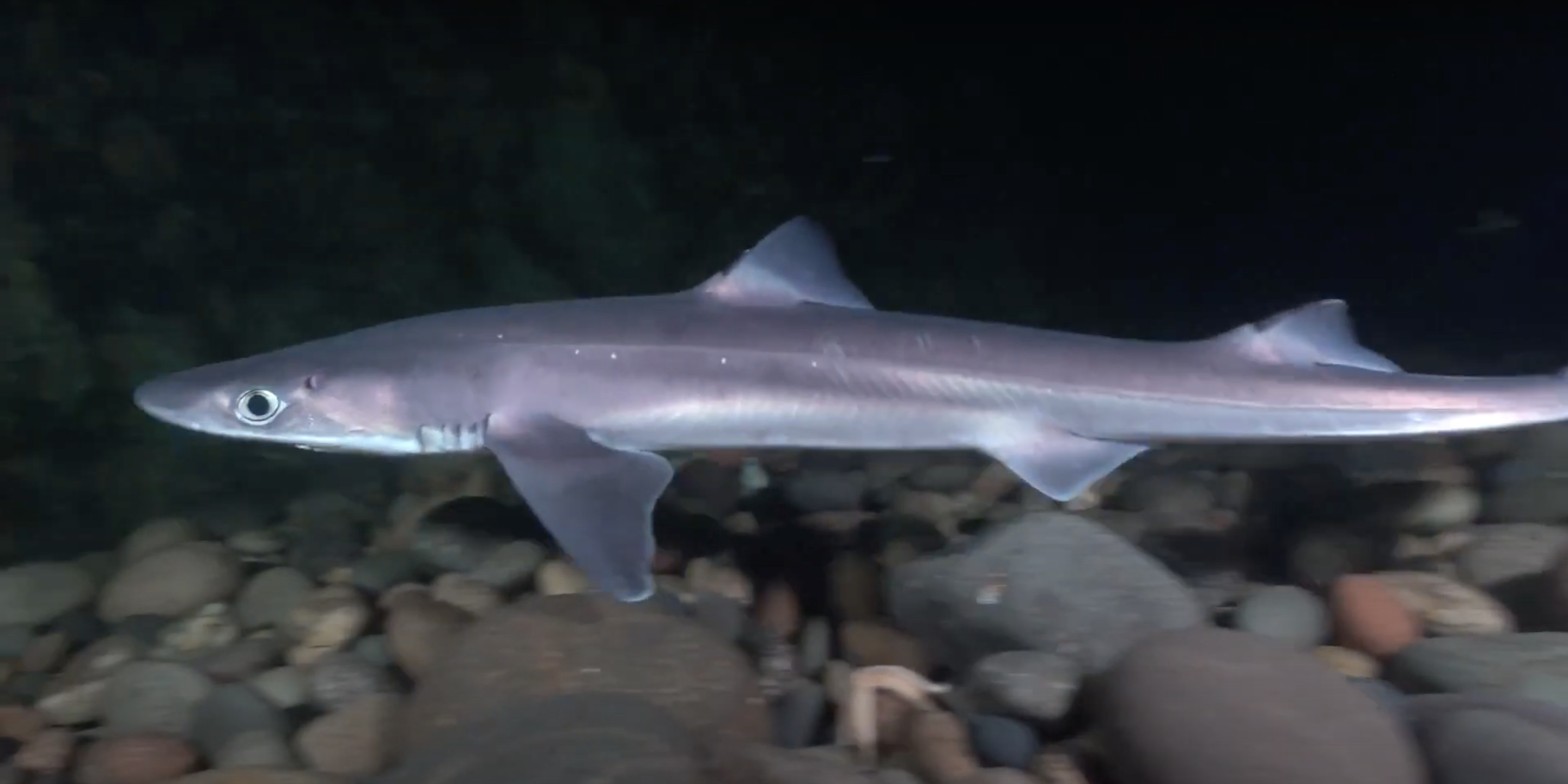
Spurdog are among the most vulnerable fish species in UK waters. They are slow-growing, late to mature, and produce relatively few young compared to many fish species. Their gestation period is the longest of any vertebrate, lasting 18–25 months. These life-history traits make them exceptionally sensitive to even moderate increases in fishing mortality.
The UK and wider north-east Atlantic stock has already suffered a well-documented collapse in the past, following decades of unsustainable exploitation. Recovery has been slow and hard-won.
While the Total Allowable Catch (TAC) is currently set below scientific advice, the Angling Trust is extremely concerned about the dangerous precedent this legislative change to remove the maximum landing size represents. Removing protection for the largest, most reproductively valuable individuals could quickly reverse any recovery, particularly in the absence of a minimum size for the species. Loss of protection for these large females risks a rapid population decline, undermining all progress to date.
This is exactly how boom-and-bust fisheries are created. The UK Government appears to be repeating a familiar and damaging pattern: recover a depleted stock just enough to reopen exploitation – and then relax safeguards before recovery is secure. That is not precautionary management. It is short-termism.
A serious blow to the recreational sector
Spurdog are an important and highly valued species for recreational sea anglers, particularly within the charter boat sector. With the support of the Pat Smith Database, in January 2025, the Angling Trust co-hosted a workshop with scientists from Cefas to document the socio-economic importance of spurdog to the recreational sector. We are awaiting the publication of the report from that workshop.
These fisheries deliver real economic value to coastal communities – supporting skippers, shore-based angling clubs, tackle shops, and local hospitality businesses.
Pennies on the market – priceless in the water
The market value of spurdog is extremely low. The financial return from landing these fish is measured in pennies per kilo, particularly when compared with the wider economic, social, and environmental value that spurdog provide when they remain in the sea.
Recreational catch-and-release fisheries deliver far greater long-term economic benefit per fish than commercial landings can currently. At the same time, spurdog play an important role in the marine ecosystem as a mid-level predator.
Good fisheries management should seek to maximise long-term public value from shared natural resources – not extract the last possible short-term return from species already known to be highly vulnerable.
A dangerous precedent for future recovery plans
This decision also sends a worrying signal about how the UK intends to manage recovering stocks more generally.
If size-based protections for the most important breeding individuals can be removed so quickly – and so soon after being publicly justified as essential – it undermines confidence in future recovery plans for other depleted species.
Hannah Rudd, Head of Marine at the Angling Trust said: “Removing protection for spurdog over 100cm is an alarming step backwards. These large females are the backbone of the population, with the longest gestation period of any vertebrate, and losing them could see the population plummet once again. Spurdog are already incredibly vulnerable. Recreational anglers have shown how to value them responsibly through catch-and-release fisheries that benefit communities and the wider marine ecosystem. The Angling Trust calls on the UK Government to reverse this decision and put long-term recovery ahead of short-term gain.”
You might also like
New British Carp Record
IFFA Spring Loch Style Fly Fishing International at Llyn…
Angling Trust Calls for Recreational Sea Fishing to Be…
Learn, Coach, Support, Welfare: Explore Opportunities with the Angling…
Sea angling greats Sam Collier and Saul Page named…
New British Barbel record ratified
Mersey Basin Species Hunt Returns for 2026
Angling Trust sets out vision for coastal growth in…
Angling Trust and Environment Agency evolve volunteer support for…
Tench Masterclass 2026: scenes from a stunning 48 hours…
Tackling mink on club waters: a real-life success story…