





Lines On The Water
28 April 2026
Tackling mink on club waters: a real-life success story using smart traps technology
You might also like
03 June 2026
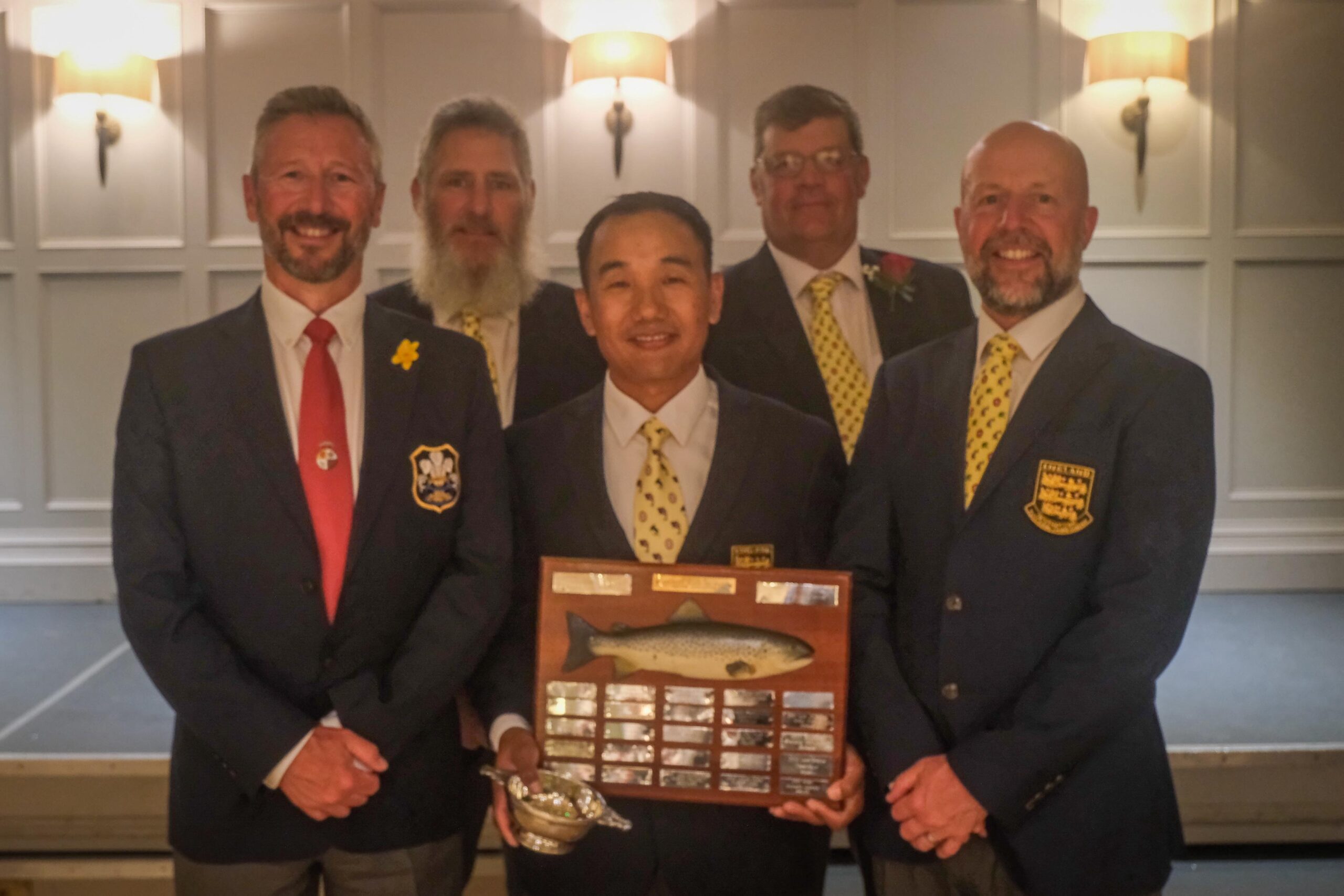
IFFA Spring Loch Style Fly Fishing International at Llyn…
The international is fished from free drifting boats with anglers from England, Ireland, Scotland an…
Read more
28 May 2026
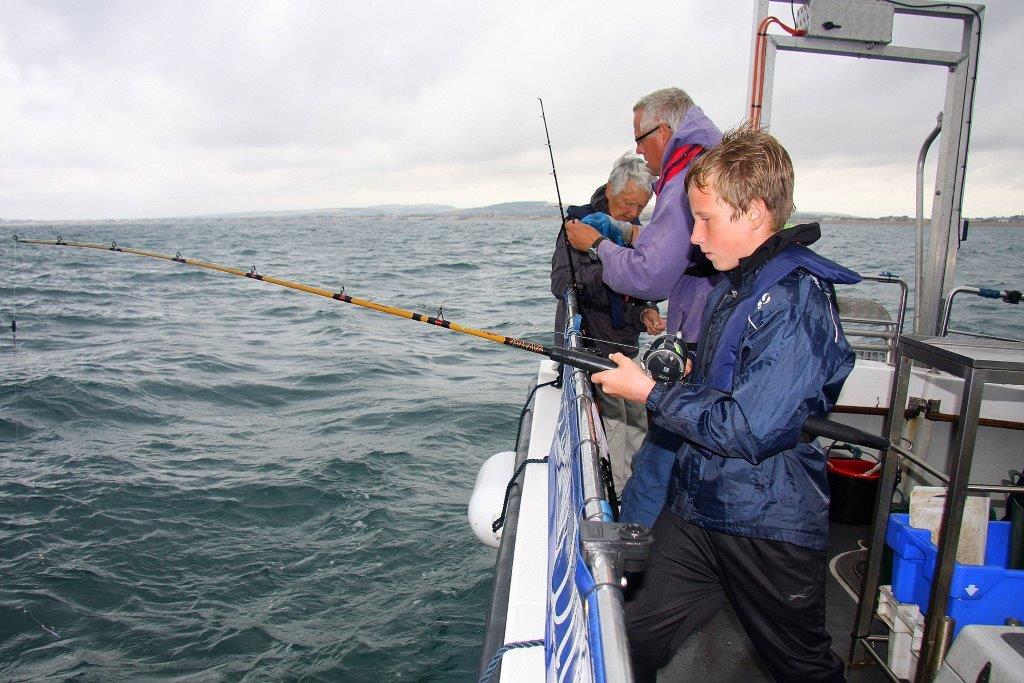
Angling Trust Calls for Recreational Sea Fishing to Be…
The Angling Trust has submitted detailed evidence to the All-Party Parliamentary Group (APPG) on Fis…
Read more
27 May 2026
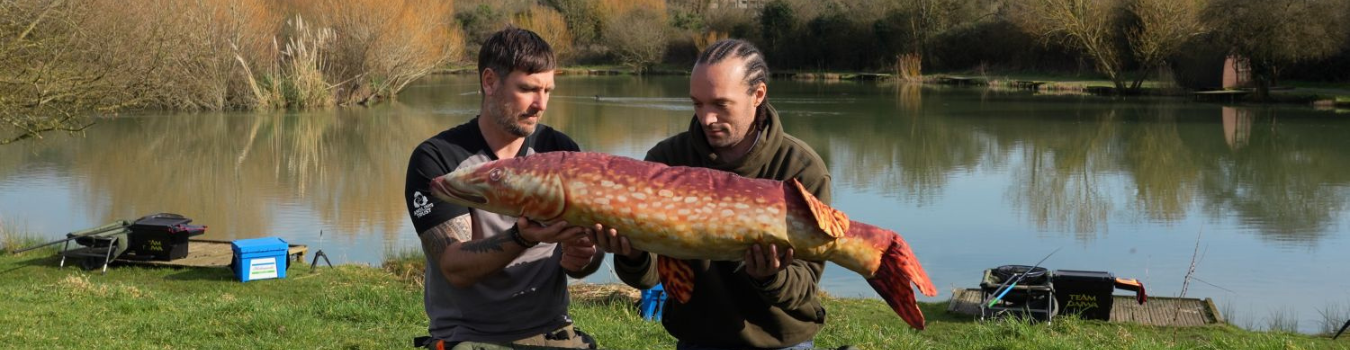
Learn, Coach, Support, Welfare: Explore Opportunities with the Angling…
As the National Governing Body for angling in England, the Angling Trust is committed to supporting…
Read more

26 May 2026
Sea angling greats Sam Collier and Saul Page named…
Two of sea angling’s most respected match fishing figures have accepted invitations to become Anglin…
Read more

14 May 2026
New British Barbel record ratified
The British Record (rod-caught) Fish Committee (BRFC) would like to announce the ratification of a n…
Read more

08 May 2026
Mersey Basin Species Hunt Returns for 2026
The Mersey Basin Species Hunt is BACK and better than ever! Following the success of the inaugural e…
Read more

07 May 2026
Angling Trust sets out vision for coastal growth in…
The Angling Trust has launched a new Welsh Sea Angling Manifesto, setting out a clear plan for how p…
Read more

06 May 2026
Angling Trust and Environment Agency evolve volunteer support for…
Volunteers remain central as fisheries enforcement support moves to broader community model The Angl…
Read more

29 April 2026
Tench Masterclass 2026: scenes from a stunning 48 hours…
This year’s Tench Masterclass at Medway Valley Fishery was another stunning event. From misty…
Read more
28 April 2026
Tackling mink on club waters: a real-life success story…
Eric Prescott, Chair of the Angling Trust, is also Chair of a couple of local angling clubs near his…
Read more
24 April 2026
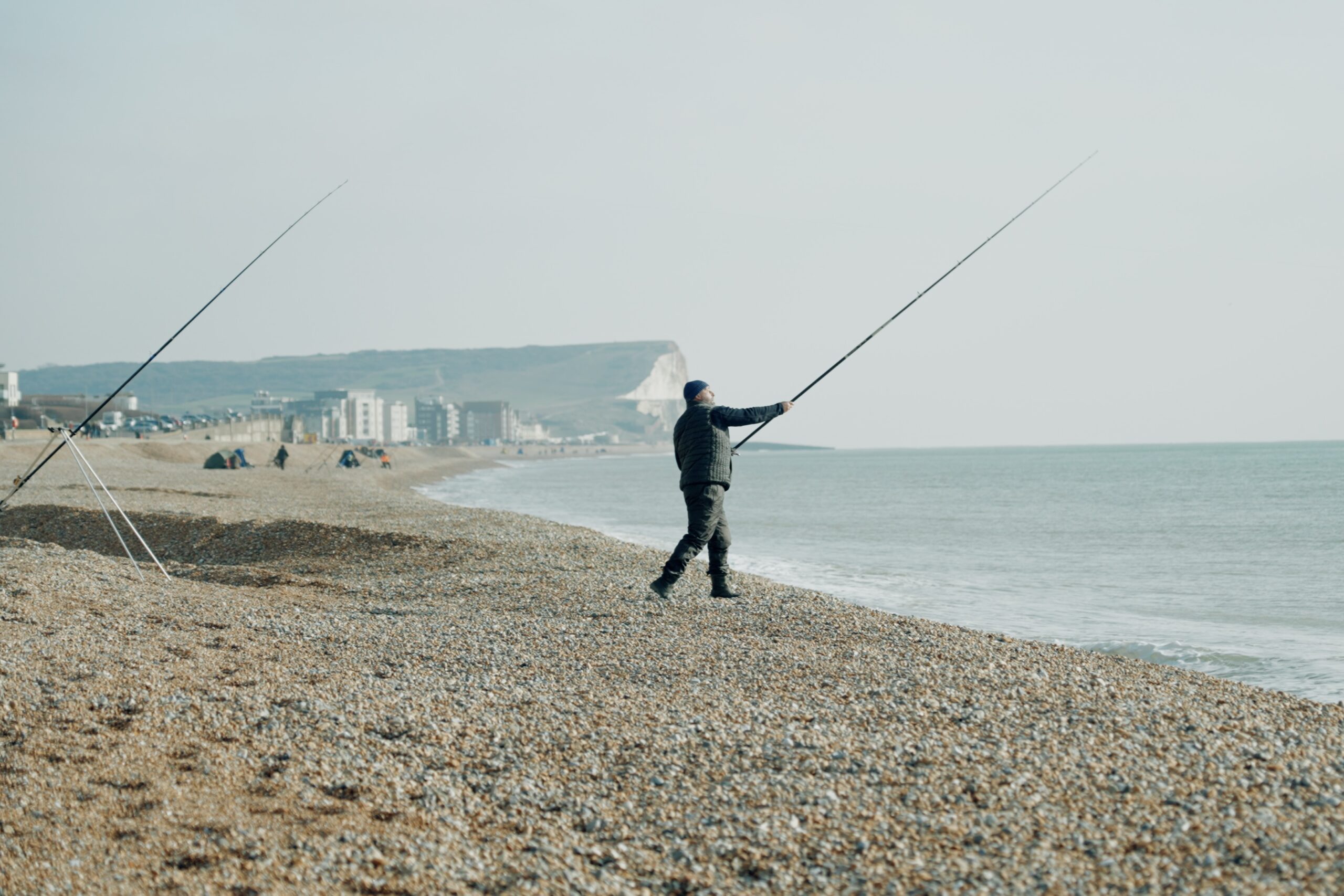
Resetting the Relationship – But Where Are Recreational Anglers?
A major new report from MPs calls for big changes to how the government works with fishing communiti…
Read more

23 April 2026
New ‘Forever Chemicals’ Report Urges UK Government to Turn…
The Environmental Audit Committee (EAC) has officially released its final PFAS Inquiry Report, and t…
Read more