



Marine
Angling for Sustainability: Tagging Black Bream, Sharks & Rays in the Solent & Dorset
An exciting research partnership focused on black bream, sharks and rays in the Solent and Dorset has launched with scientists and anglers. The Angling Trust are proud to be collaborating with the University of Plymouth, Southern IFCA, the Professional Boatman’s Association and Natural England on this Fisheries Industry Science Partnership which focuses on the environmental sustainability of the recreational angling sector and gives the sector a bigger voice through ongoing fisheries management plans.
Sea anglers and charter boats are an essential part of our coastal communities, contributing significantly to local economies. The project, known as “Angling for Sustainability”, recognises the importance of recreational angling hotspots like the Solent and Dorset on the south coast of England and the recreationally important species that call them home.
The project’s objectives are twofold:
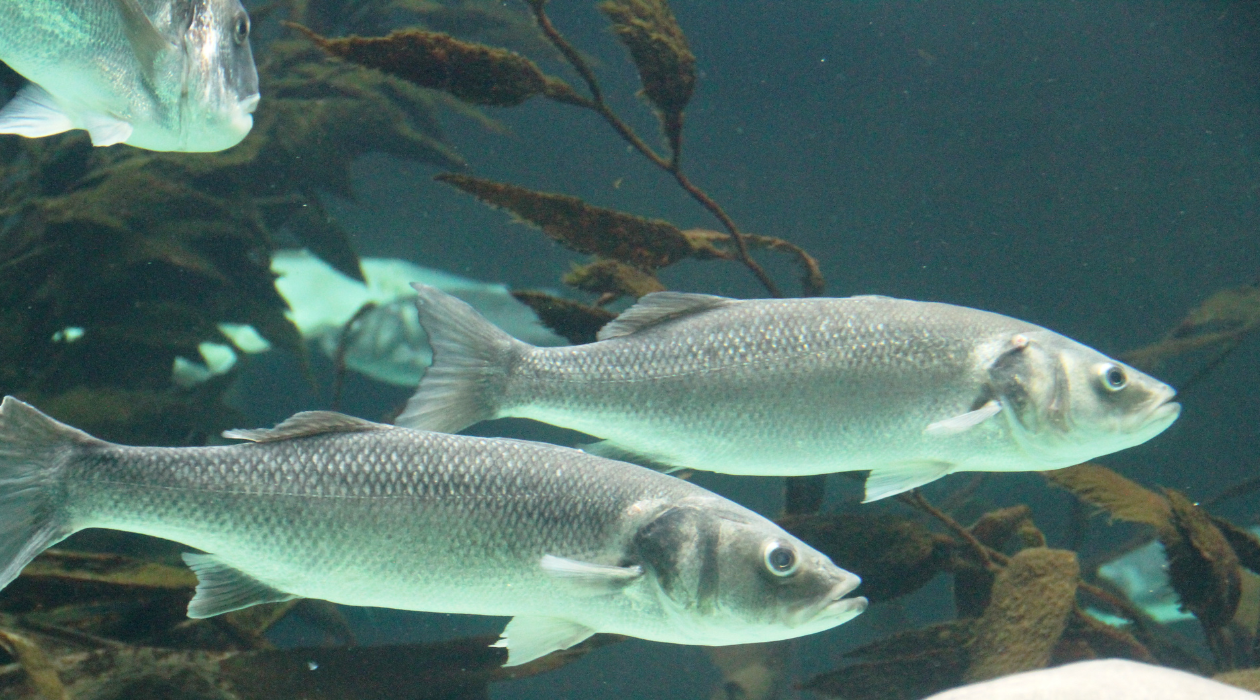
- Firstly, it will investigate the nesting site fidelity, habitat use, fisheries interactions, and wider migration patterns of black bream in Dorset.
- Secondly, it will focus on studying the habitat use, migration patterns, and site fidelity of elasmobranch species like tope, starry smooth-hound, and undulate ray in the Solent area.
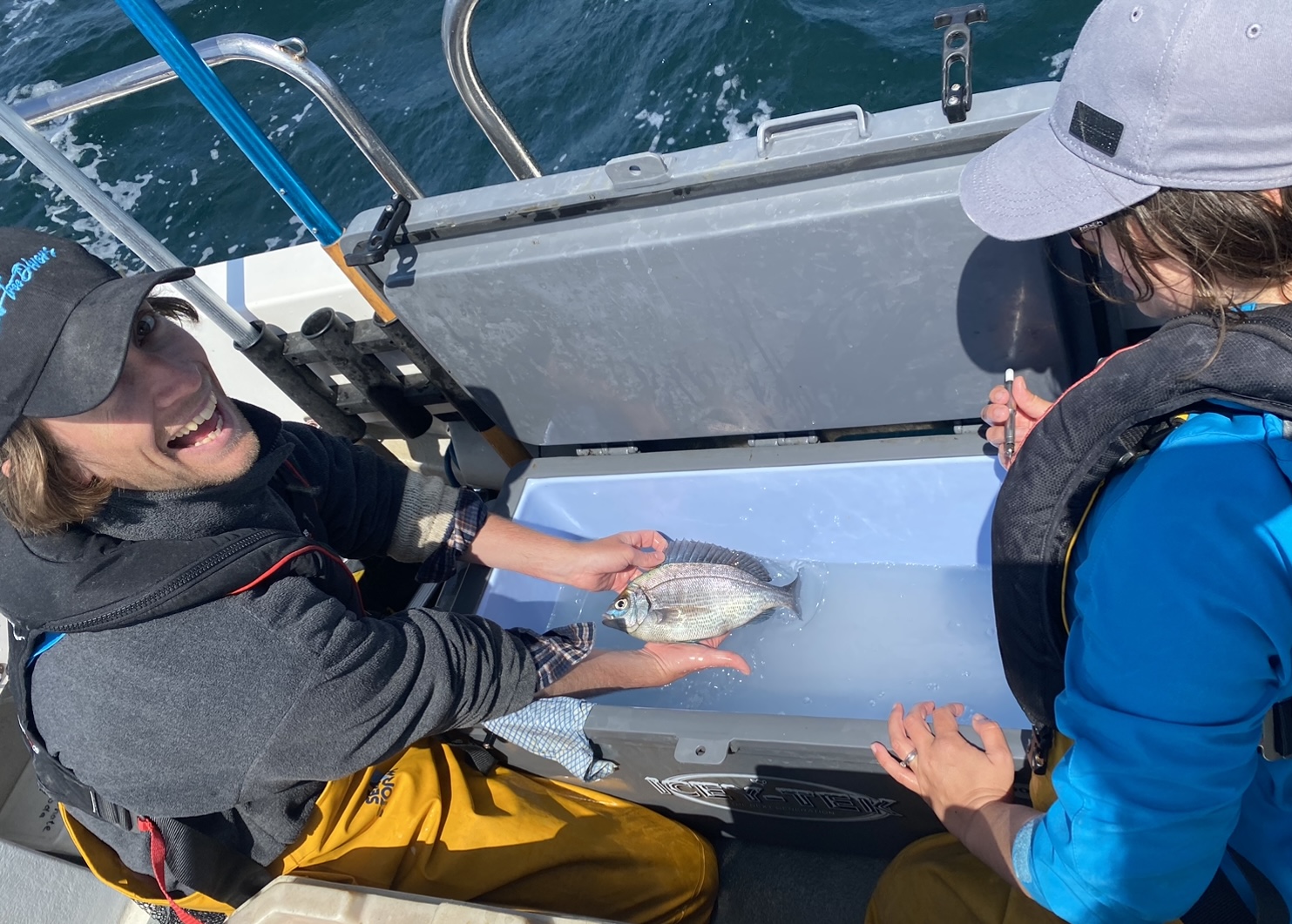
 Angling for Sustainability aims to bridge data gaps on these recreationally valuable species by using acoustic telemetry, specifically fish tagging and tracking. This research is made possible by working in collaboration with local skippers and recreational anglers to catch the fish and deploy tags. Anglers fishing around the Solent and Dorset are encouraged to look out for tagged fish and report them to [email protected].
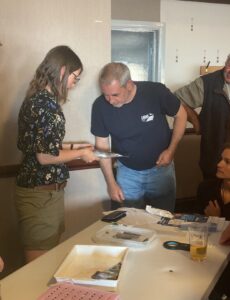
The project formally launched in Poole on Thursday 1st June with a successful turnout of enthusiastic skippers and anglers at our first workshop on black bream tagging and tracking, with a fascinating demonstration from the University of Plymouth scientists, Dr. Alice Hall and Dr. Pete Davies. Learn how to identify tagged fish in this handy guide.

The information gathered through this research will play a vital role in contributing to the development of effective Fisheries Management Plans, supporting ecosystem-based fisheries management objectives in the Fisheries Act 2020 and informing existing Marine Conservation Zones to protect these recreationally valuable fish. By working and collaborating with scientists we can ensure our favourite fish are there for future generations to enjoy and showcase anglers as stewards of our marine environment.
You might also like

WQMN Group of the Month: Citizen Science, Anglers and…
Andy Burnham becomes Prime Minister: here’s what he should…
Anglers to play key role in landmark shark conservation…
New Report Reveals the Hidden Workforce Behind the UK’s…

Marine heatwave: what it means for sea anglers
Bluefin Tuna Catch-and-Release Recreational Fishery 2026
Rays of Tope: New project to unlock the secrets…
New ICES advice highlights mixed picture for key recreational…

Angling Trust welcomes UK ratification of landmark High Seas…
UK Government Pours Cold Water on Urgent Reforms to…
Anglers’ Data Stands Up to Scientific Scrutiny